
Key Points:
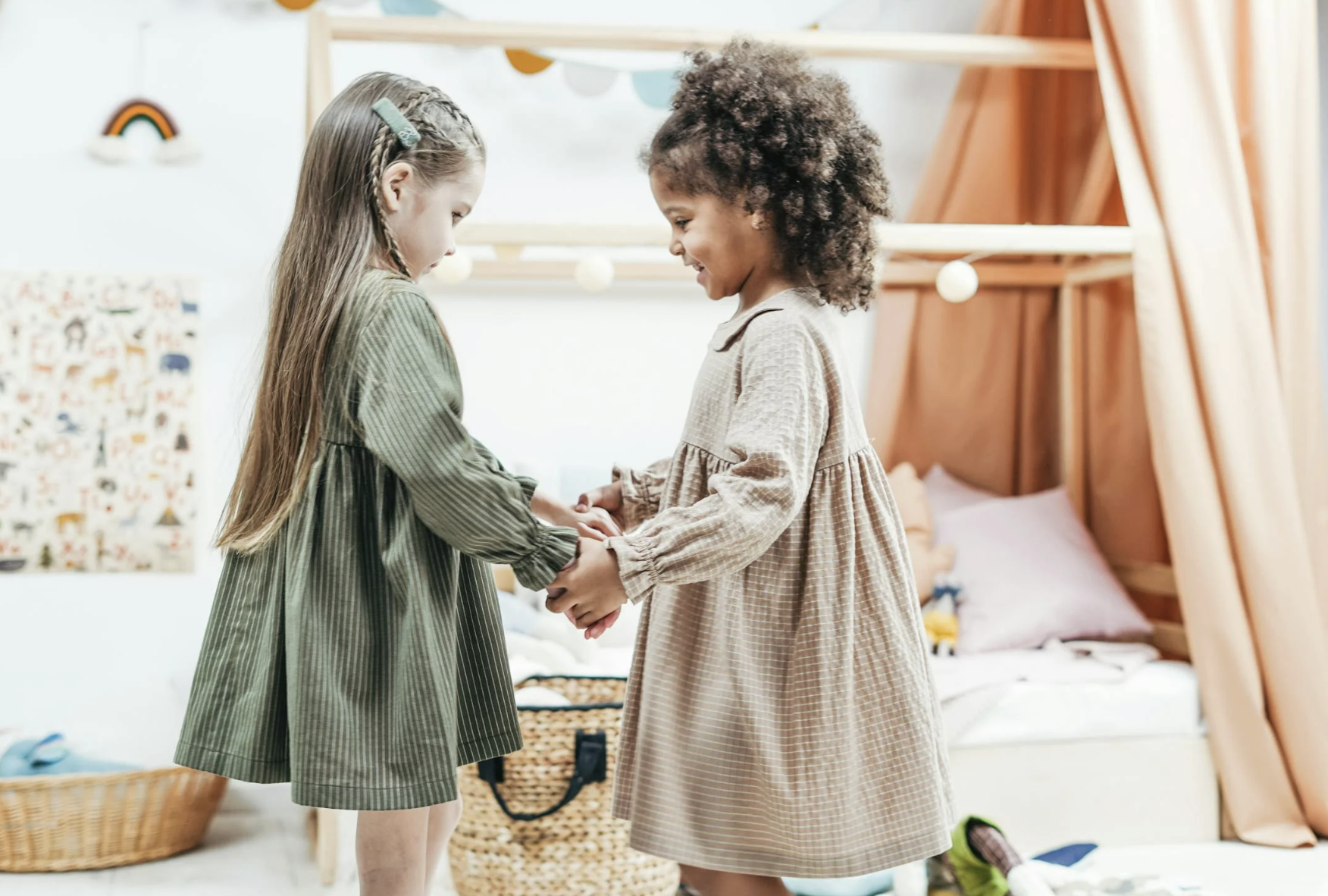
- Early, structured intervention helps autistic children build essential social skills, including conversation, emotional regulation, and friendship development.
- Peer play therapy, social skills groups, and guided play dates provide safe, practical environments for practicing social interaction and reducing anxiety.
- Consistency, repetition, and supportive environments are crucial for generalizing social skills to real-world settings like school, clubs, and community activities.
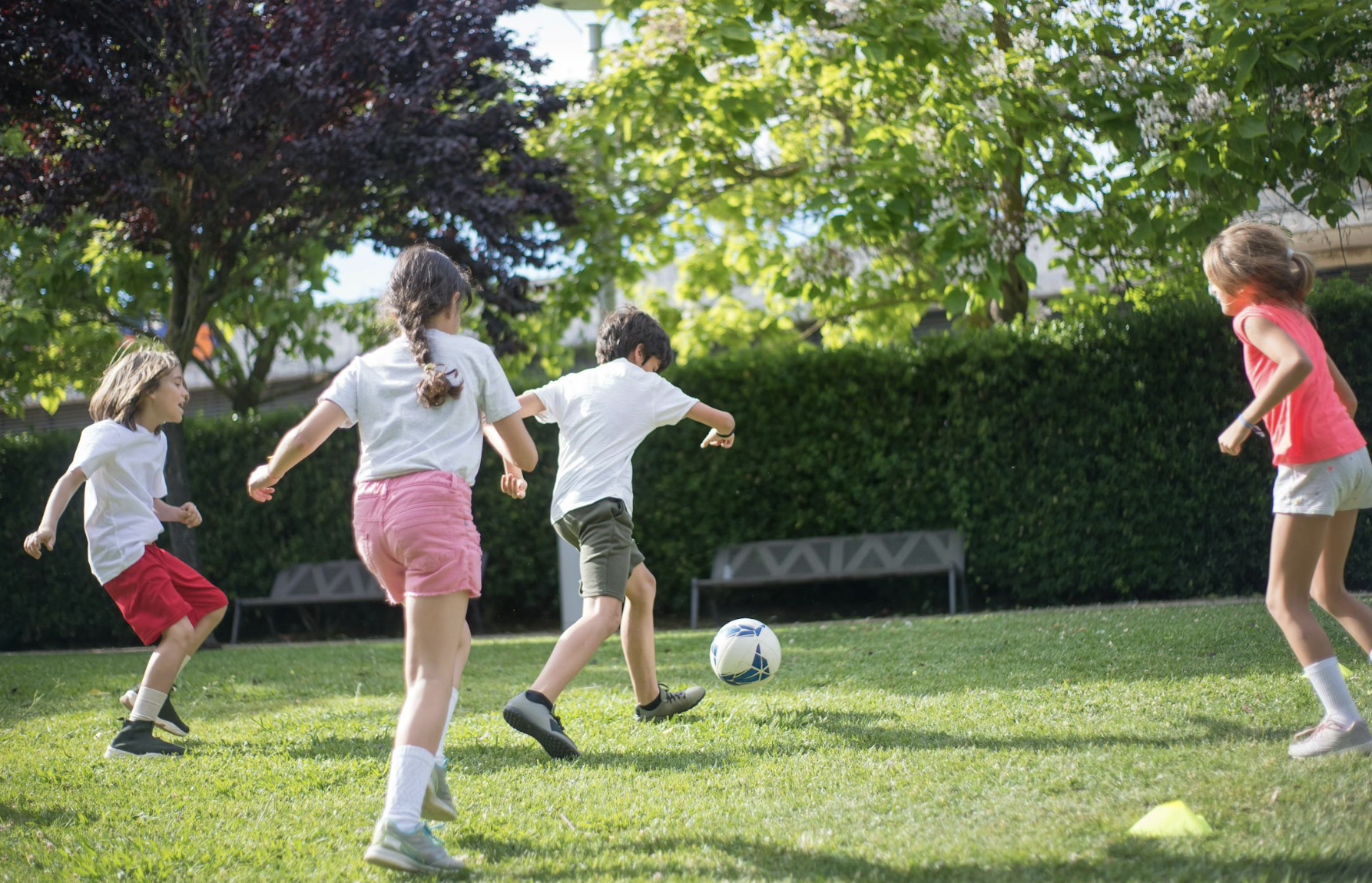
Autistic children often face unique challenges in social interaction due to differences in brain processing that affect how they perceive, interpret, and respond to social cues. These challenges are not due to a lack of desire to connect, but rather a different way of processing social information. Core difficulties include reading nonverbal cues, interpreting language literally, understanding others’ perspectives (theory of mind), and managing sensory sensitivities.
Fortunately, social interaction training can help children develop meaningful friendships, navigate social environments, and build confidence in communication. Key approaches include social skills training (SST), peer play therapy, structured social groups for autism, and guided play dates.
Why Social Skills Training is Important for Autism
Autistic children may struggle with:
- Nonverbal Communication Challenges: Difficulty reading body language, facial expressions, or tone of voice.
- Literal Interpretation: Taking words at face value, which makes sarcasm, idioms, and metaphors confusing.
- Theory of Mind Difficulties: Struggling to understand that others have different thoughts and feelings.
- Sensory Sensitivities: Overwhelm from lights, sounds, or touch that can make social interaction exhausting.
- Social-Emotional Reciprocity: Challenges with taking turns, sharing interests, and maintaining conversations.
- Navigating Social Rules: Anxiety stemming from unwritten social norms.
With consistent guidance, children can develop these latent social skills and apply them in real-life situations.
 Key Indicators That a Child May Benefit from Social Skills Training
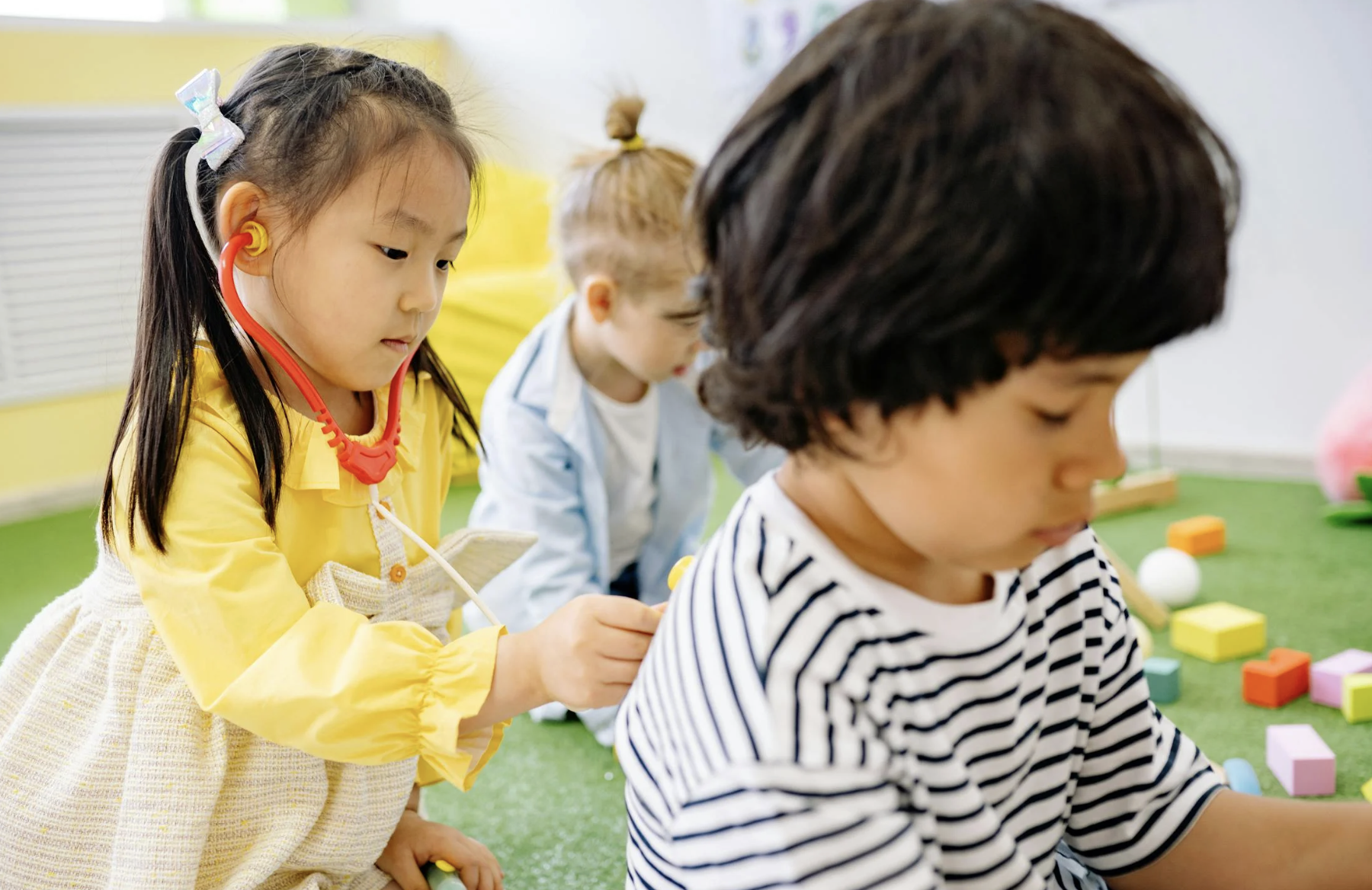
Children may benefit from social skills training if they struggle to make or maintain friendships, show fleeting or intense eye contact, misinterpret nonverbal cues, or have difficulty taking turns. Other signs include challenges with conversation, low empathy, rigid play patterns, or high levels of anxiety and conflict in social situations.
Common Indicators Include:
- Difficulty Making or Keeping Friends: Struggling to form friendships, preferring younger peers, or appearing socially isolated.
- Communication Challenges: Interrupting others, having trouble maintaining a conversation topic, or talking “at” rather than “with” peers.
- Nonverbal Communication Issues: Inconsistent eye contact, unusual proximity, or difficulty reading body language and facial expressions.
- Misinterpreting Social Cues: Trouble understanding jokes, sarcasm, or subtle social signals.
- Emotional Regulation or Behavioral Challenges: Frequent tantrums, rigid routines, low empathy, or conflicts with peers.
- Inappropriate Social Behaviors: Poor manners, asking socially inappropriate questions, or difficulty sharing and taking turns.
If these behaviors persist and interfere with peer interactions, a structured social skills group can help children develop self-control, empathy, and effective communication. Early intervention often reduces social anxiety and supports success in school and everyday life.
Key Strategies in Social Skills Training (SST)
SST is a structured, evidence-based intervention designed to improve social communication, peer interaction, and emotional expression. Strategies include:
- Behavioral Skills Training (BST): Step-by-step instruction, modeling, rehearsal, and feedback.
- Video Modeling: Watching videos demonstrating appropriate social behavior.
- Social Stories: Simple narratives that explain social situations and expected responses.
- Role-Playing: Practicing interactions in safe, controlled settings.
- Peer-Mediated Interventions: Involving neurotypical peers to facilitate interaction.
Common goals of SST cover conversation skills, friendship development, emotional regulation, and adapting behavior to different environments.
 Peer Play Therapy for Social Development
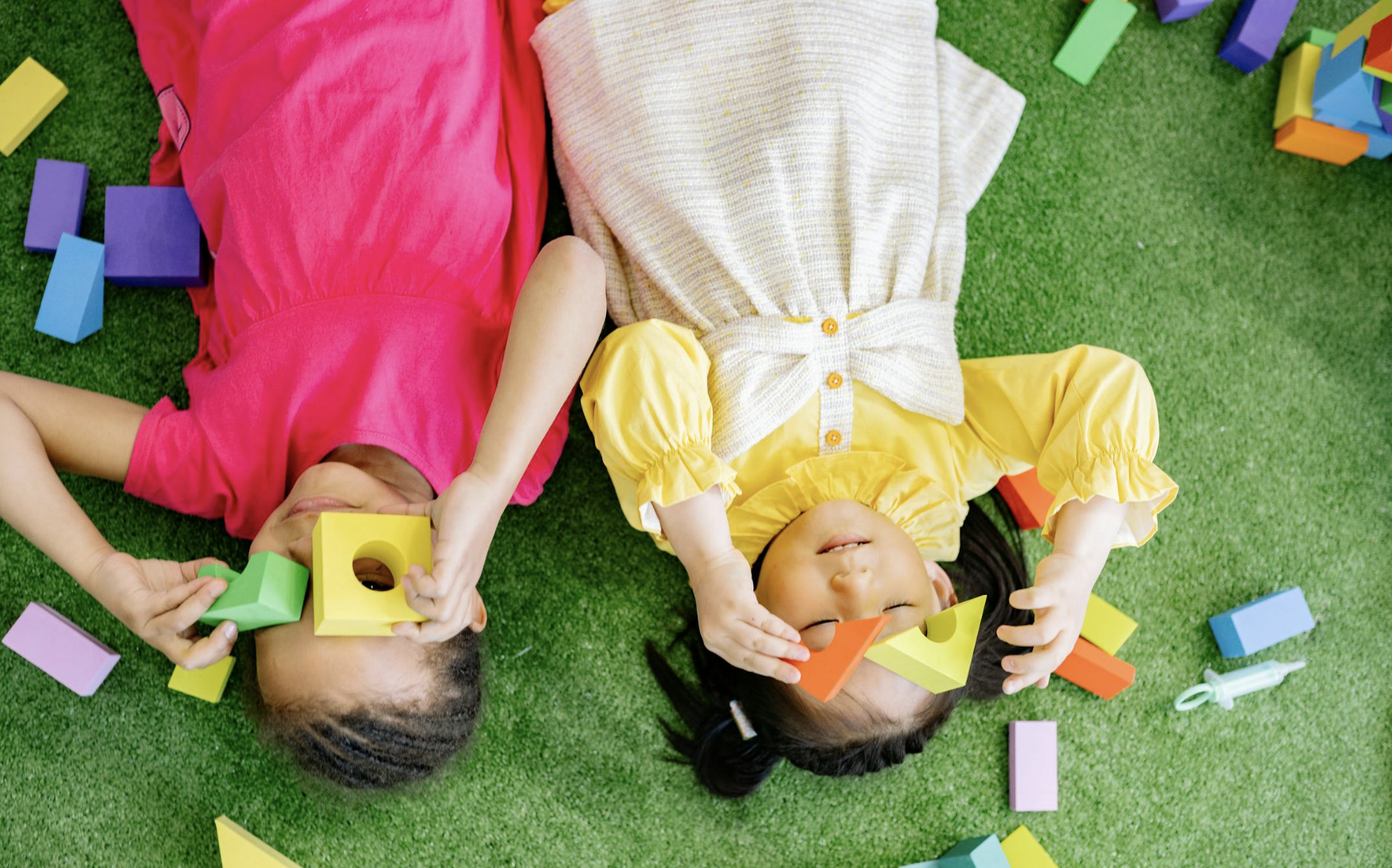
Peer play therapy uses structured interaction with peers to build social, emotional, and behavioral skills.
Methods Include:
- Directed Play: Therapists guide activities to meet specific goals.
- Non-directed Play: Children choose activities while therapists observe.
- Cooperative Games & Dramatic Play: Encourage collaboration, turn-taking, and emotional expression.
- Sensory/Creative Play: Activities like clay, sand, or art help children express emotions safely.
Benefits:
- Improves peer relationships and reduces social isolation.
- Builds emotional regulation and communication skills.
- Reduces anxiety in social situations.
Friendship Skills and Structured Social Groups
Structured social settings allow autistic children to practice social skills in low-pressure environments:
- Interest-Based Clubs: Groups like robotics, art, or gaming encourage natural interaction through shared passions.
- Social Skills Groups: Led by professionals to teach direct social-emotional and behavioral goals.
- Social Activity Groups: Focus on practicing skills during fun, organized events.
Friendship Skills Include:
- Leveraging special interests to connect with peers.
- Initiating, maintaining, and ending conversations.
- Managing conflicts and understanding peer rejection.
- Recognizing emotions in self and others.
 Play Dates and Peer Modeling
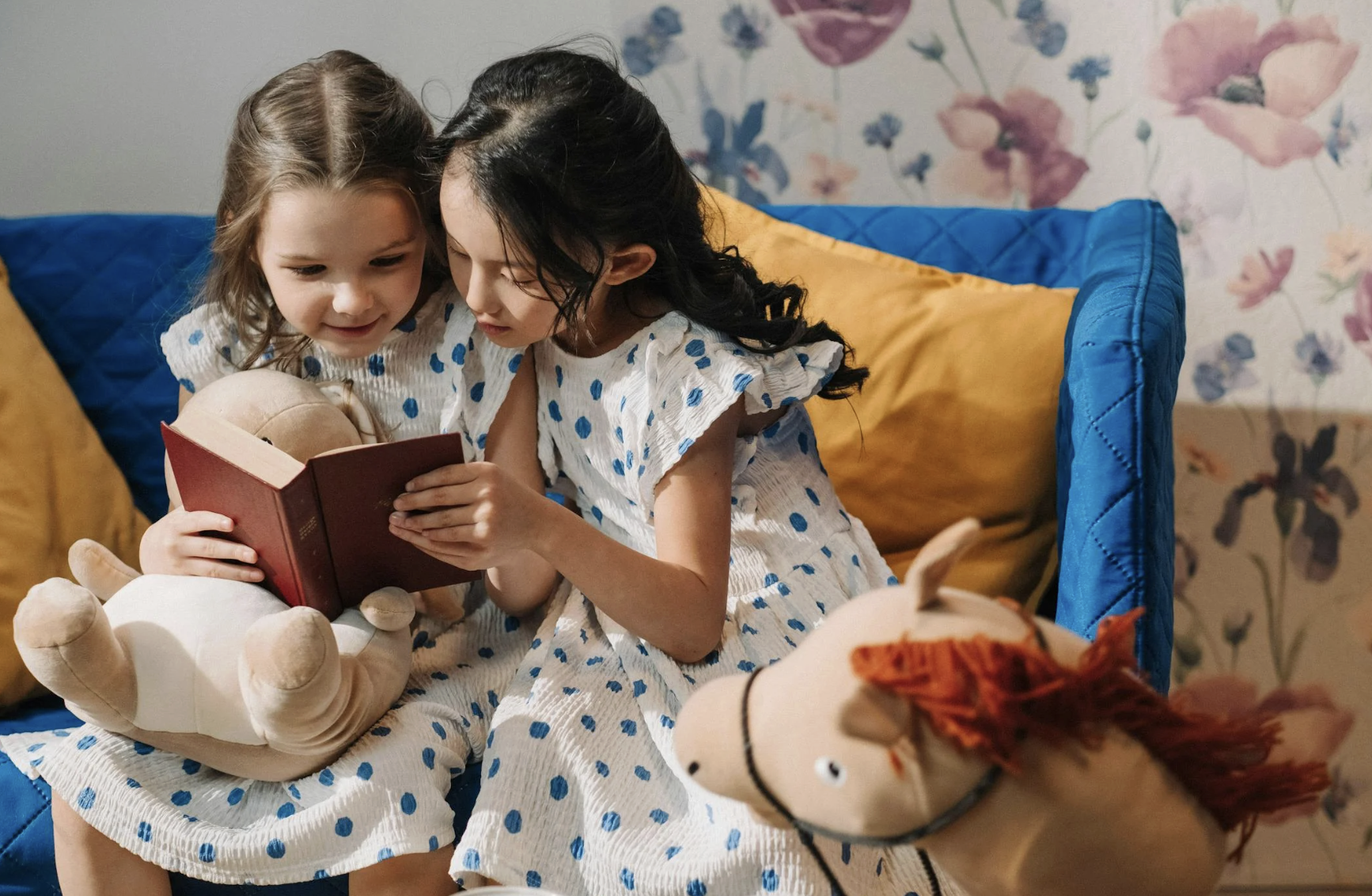
Play dates offer naturalistic opportunities to practice social interaction skills:
- Pair children with peers who have similar interests and a flexible attitude.
- Keep initial visits short, structured, and supervised.
- Use visual supports, timers, and familiar activities to reduce anxiety.
- Employ peer modeling, allowing children to observe and imitate positive social behaviors.
Key Tips:
- Begin with parallel play before expecting fully interactive play.
- Provide a supportive, calm environment with organized toys.
- Parents may act as “peer coaches” to guide interactions gently.
Benefits of Social Interaction Training
With consistent practice and supportive environments, autistic children can:
- Build meaningful friendships and reduce feelings of isolation.
- Improve communication, turn-taking, and social problem-solving skills.
- Gain confidence in navigating different social contexts.
- Express emotions and understand others’ perspectives more effectively.
By combining social skills training, peer play therapy, structured social groups, and guided play dates, children with autism can practice and generalize social skills in both therapeutic and natural settings.
Frequently Asked Questions (FAQs)
- What is social interaction training for autism?
Social interaction training is a structured program designed to help autistic children improve communication, social understanding, and peer relationships through targeted strategies like SST, peer play therapy, and structured social groups.
- At what age should a child start social skills training?
Children can benefit from social skills training at any age, but early intervention (preschool or elementary age) is ideal to build foundational social and communication skills.
- How do peer play therapy sessions work?
Peer play therapy involves structured or semi-structured play with peers, guided by a therapist. It can include cooperative games, role-playing, creative activities, and sensory play to build social and emotional skills.
- What is the difference between social skills groups and interest-based clubs?
Social skills groups focus on teaching specific social, emotional, and behavioral skills under professional guidance, while interest-based clubs provide low-pressure, natural settings for children to practice social interaction through shared passions.
- How can parents support social skill development at home?
Parents can facilitate play dates, act as peer coaches, use visual supports or timers, and practice conversation, turn-taking, and emotional regulation during daily routines. - Can social interaction training help with anxiety in social situations?
Yes. Structured practice, peer modeling, and predictable routines reduce anxiety by giving children clear expectations and opportunities to build confidence in social environments.
- How long does it take to see improvements in social skills?
Improvements vary by child, but consistent practice in structured and natural settings often shows noticeable progress within a few months. Ongoing reinforcement is key for generalization to everyday situations.
- Are social skills training programs evidence-based?
Yes. If your child struggles with friendships, communication, or social confidence, our team can help. Contact us today to learn more about social interaction training, peer play therapy, and structured social groups designed for children with autism.




 Call Us Now