

Key Points:
- Positive Behavior Support (PBS) is a proactive, ABA-based approach that reduces challenging behaviors by teaching meaningful replacement skills rather than using punishment.
- A personalized Behavior Intervention Plan is created from a Functional Behavior Assessment (FBA) to address the root cause of behavior and support long-term success.
- PBS for autism improves communication, emotional regulation, and quality of life by creating consistent, supportive strategies across home, school, and community settings.
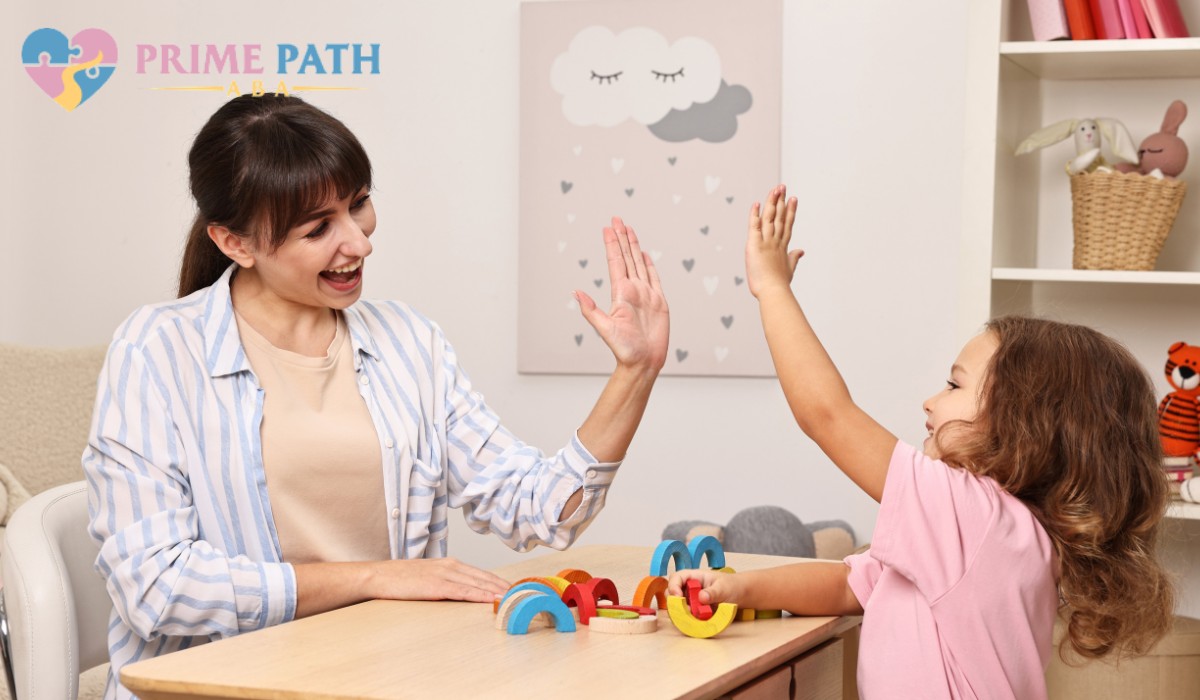
When a child displays challenging behavior, it’s easy to feel overwhelmed and unsure where to start. Positive Behavior Support (PBS) offers a compassionate, evidence-based approach that helps children thrive by addressing the why behind behaviors, not just the behavior itself.
What Is Positive Behavior Support (PBS)?
Rooted in Applied Behavior Analysis (ABA), PBS plans are often used as a Behavior Intervention Plan (BIP), approach, or strategy, and are especially effective for children with autism. The ultimate goal? Improving quality of life for both the child and the family.
Positive Behavior Support is a proactive framework that reduces challenging behaviors by teaching meaningful replacement skills and modifying the environment to better support the child.
Rather than using punishment, PBS focuses on:
- Understanding behavior as communication
- Preventing problems before they occur
- Teaching new, functional skills
- Reinforcing positive behaviors consistently
PBS plans are individualized and data-driven, meaning strategies are tailored specifically to your child’s needs, strengths, and goals.
How PBS Fits Within ABA and Behavior Intervention Plans
In ABA therapy, PBS is commonly delivered through a Behavior Intervention Plan (BIP). This plan is developed after a Functional Behavior Assessment (FBA) conducted by a Board Certified Behavior Analyst (BCBA).
The FBA helps answer a critical question: “What is my child communicating through this behavior?”
Common behavior functions include:
- Escaping or avoiding difficult tasks
- Gaining attention
- Accessing preferred items or activities
- Meeting sensory needs
Once the function is understood, a PBS plan is created to support the child in healthier, safer, and more effective ways.
Why PBS Matters for Parents
For families, Positive Behavior Support offers:
- Consistency across caregivers and environments
- Reduced stress and power struggles
- Improved emotional regulation and communication
- Increased independence and confidence
- A stronger focus on long-term quality of life
PBS shifts the focus from “stopping behavior” to supporting your child’s success.
Why Positive Behavior Support (PBS) Matters for Your Child
Positive Behavior Support (PBS) is more than a way to stop challenging behaviors—it helps children with autism and developmental differences learn, grow, and thrive in everyday life. Here’s why it matters:
- Teaches Functional Skills: PBS helps children replace challenging behaviors with practical skills, like asking for help, requesting a break, or expressing feelings appropriately. This builds independence and self-confidence.
- Reduces Stress and Anxiety: By addressing triggers and providing predictable routines, PBS creates a safer, calmer environment where your child can succeed without fear or frustration.
- Improves Communication and Social Interaction: Children learn to communicate needs effectively and navigate social situations, fostering stronger friendships and positive relationships.
- Supports Learning and Daily Life: By minimizing disruptions from challenging behaviors, PBS allows children to focus on learning, participate in school and community activities, and master daily living skills.
- Enhances Quality of Life: Ultimately, PBS focuses on your child’s overall well-being, not just stopping behavior. It promotes a sense of accomplishment, belonging, and long-term success.

Key Components of a Positive Behavior Support Plan
1. Functional Behavior Assessment (FBA)
The foundation of any PBS plan. Data is collected using ABC analysis (Antecedent, Behavior, Consequence) to identify patterns and triggers.
2. Proactive Strategies (Prevention)
Changes are made before behavior occurs, such as:
- Visual schedules
- Predictable routines
- Reduced sensory overload
- Offering choices
These strategies help lower anxiety and increase success.
3. Teaching Replacement Skills
Children are taught new behaviors that serve the same purpose as the challenging behavior, such as:
- Asking for help
- Requesting a break
- Using communication cards or gestures
- Learning coping and self-regulation skills
4. Response Strategies (When Behavior Occurs)
Caregivers follow consistent, non-aversive responses focused on safety and de-escalation without unintentionally reinforcing the behavior.
5. Positive Reinforcement
Desired behaviors are encouraged through praise, access to preferred activities, or other meaningful rewards, making positive behavior more likely to happen again.
Example of PBS in Action (Autism & School Setting)
- Target Behavior: A student throws materials during math time
- Function: Escape from difficult tasks
Proactive Strategies:
- Break work into short, manageable segments
- Use a visual schedule
- Offer choices (which problems to do first)
Replacement Skills:
- Teach the child to use a “break” card
- Teach how to request help appropriately
Response Strategy:
- Calmly prompt the replacement skill
- Reinforce immediately when the child uses it successfully
Over time, the challenging behavior decreases because the child now has a better way to communicate their needs.

Who Benefits From Positive Behavior Support?
PBS plans are helpful for:
- Children with autism (PBS autism support)
- Children and adults with developmental or learning disabilities
- Individuals with behaviors that interfere with learning, safety, or inclusion
- Families and schools seeking consistent, supportive strategies
PBS is used across home, school, therapy, and community settings, making it a powerful, flexible approach.
How to Know If Your Child Needs a PBS or ABA Plan
Signs a structured behavioral plan may help include:
- Safety Concerns: Self-injury, aggression toward others, or running away.
- Communication Challenges: Limited speech or difficulty expressing needs, leading to frustration.
- Daily Living Difficulties: Struggles with routines, transitions, toileting, or eating.
- Social and Emotional Challenges: Difficulty understanding social cues, making friends, or regulating emotions.
- Impact on Learning: Behaviors that interfere with school or daycare participation.
Next Steps for Parents
- Request an Assessment: Speak with a teacher, school counselor, or pediatrician about a Functional Behavioral Assessment (FBA).
- Consult a Professional: Work with a Board Certified Behavior Analyst (BCBA) to determine if an ABA-based or PBS plan is appropriate.
- Review Current Strategies: If existing support isn’t reducing challenging behaviors, a structured, data-driven plan like ABA or PBS can provide consistent guidance and better outcomes.
A Positive Behavior Support plan focuses on improving your child’s quality of life by teaching replacement skills, addressing the root cause of behavior, and supporting long-term success rather than relying on punishment.
How Parents Can Access a PBS / Behavior Intervention Plan
- Request an evaluation from a BCBA, school team, or ABA provider
- Consent to a Functional Behavior Assessment (FBA)
- Collaborate with professionals to develop a personalized plan
- Implement strategies consistently
Monitor progress and adjust the plan as your child grows
Positive Behavior Support goes beyond managing behavior, it helps children with autism build communication, emotional regulation, and lasting life skills. When delivered through a personalized Behavior Intervention Plan within ABA, PBS replaces challenging behaviors with meaningful, functional alternatives.
Prime Path ABA offers individualized PBS autism services for families in Colorado and Ohio.
Our experienced BCBAs partner with parents to complete Functional Behavior Assessments, create effective behavior intervention plans, and support consistency across home, school, and community settings.
If your child’s behavior is impacting daily life or learning, a PBS plan through Prime Path ABA can support positive, long-term growth and overall well-being. Get in touch today.
 FAQs
FAQs
1. What is Positive Behavior Support (PBS)?
Positive Behavior Support is an evidence-based approach rooted in Applied Behavior Analysis (ABA) that focuses on understanding the purpose of behavior and teaching positive replacement skills. PBS reduces challenging behaviors by modifying environments, using proactive strategies, and reinforcing appropriate behaviors instead of relying on punishment.
2. Is Positive Behavior Support the same as a Behavior Intervention Plan (BIP)?
PBS is the framework, while a Behavior Intervention Plan is the written, individualized plan created using PBS principles. In ABA therapy, a BIP outlines proactive strategies, replacement skills, reinforcement systems, and response procedures based on a Functional Behavior Assessment.
3. How does PBS help children with autism?
For children with autism, PBS autism strategies help:
- Improve communication and emotional regulation
- Reduce anxiety caused by unpredictability
- Teach functional alternatives to challenging behavior
- Increase independence and social participation
PBS recognizes that behavior is communication and supports children in expressing needs more effectively.
4. Who creates a Positive Behavior Support plan?
A PBS plan is typically developed by a Board Certified Behavior Analyst (BCBA) after completing a Functional Behavior Assessment (FBA). Parents, caregivers, teachers, and therapists are actively involved to ensure consistency across settings.
5. What behaviors can a PBS plan address?
A behavior intervention plan using PBS can support children who exhibit:
- Aggression or self-injury
- Tantrums or severe meltdowns
- Task avoidance or noncompliance
- Disruptive behaviors in school or home
The focus is always on teaching safer, more appropriate replacement behaviors.
6. Where are Positive Behavior Support plans used?
Positive Behavior Support plans are used across:
- Homes
- Schools
- ABA therapy clinics
- Community settings
Consistency across environments is key to long-term success.
7. How can parents access a PBS plan through Prime Path ABA?
Parents in Colorado and Ohio can contact Prime Path ABA to request an evaluation. The process includes a Functional Behavior Assessment, collaborative plan development, and ongoing monitoring to ensure the Positive Behavior Support plan is effective and aligned with family goals.




 Call Us Now