
Key Points:
- Children with autism face unique communication challenges that need individualized support.
- ABA techniques such as FCT, VB training, and PECS help build functional communication.
- Stronger communication improves independence, social skills, and emotional regulation.

Why Communication Can Be Challenging for Kids With Autism
Children with autism often struggle with communication due to differences in brain development that affect social interaction, language processing, and sensory regulation. These challenges can make it difficult to read nonverbal cues, interpret language literally, deal with sensory overstimulation, or stay focused in conversation. But the good news is that with the right strategies, every child can make meaningful progress.
There are some reasons why children with autism may face communication hurdles:
- Social-Cognitive Differences: Many autistic children find it hard to understand Theory of Mind, meaning they may struggle to interpret others’ emotions, intentions, or social rules. This can make reading body language, facial expressions, and conversational turn-taking tricky.
- Literal Interpretation: Sarcasm, metaphors, or idioms may not make sense, as many children interpret language literally.
- Sensory Processing Issues: Noise, bright lights, or touch can overwhelm a child, making it difficult to focus on conversation. Environmental sounds might even mask speech.
- Language Acquisition and Usage: Some children experience delayed speech, use repetitive language (echolalia), reverse pronouns, or speak in a monotone voice.
- Executive Dysfunction: Organizing thoughts into speech can be challenging, especially under stress or anxiety.
- Nonverbal Communication: Many children have difficulty using gestures such as pointing or maintaining eye contact, which can impact social connections.
Every child is unique, and communication styles can vary widely. That’s why individualized support is so important.
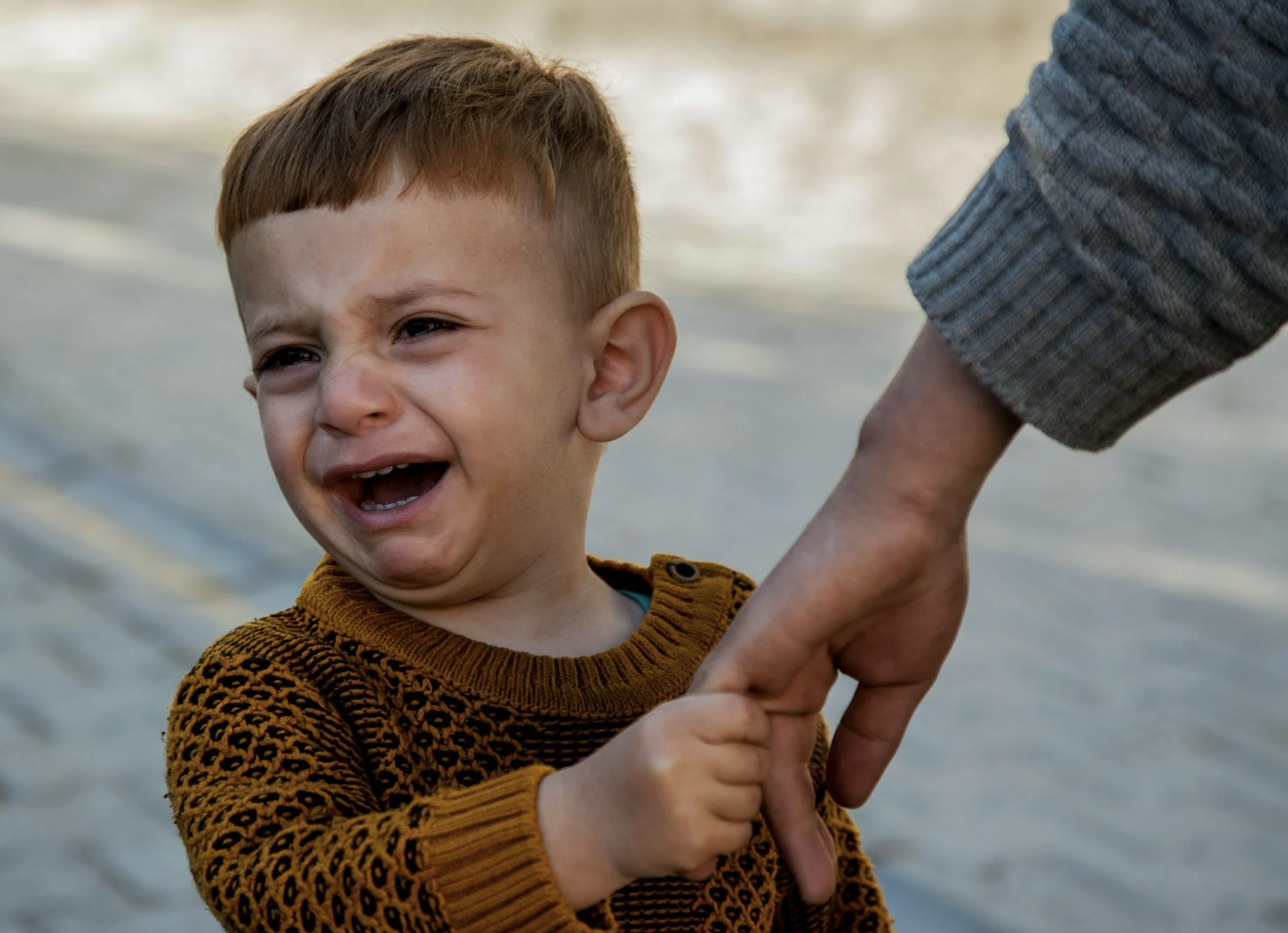
Understanding Verbal vs. Nonverbal Autism
- Verbal Autism: Children use speech but may struggle with social nuances, abstract language, or conversational skills. Support often includes social skills training and speech therapy.
- Nonverbal Autism: Children may be minimally verbal or non-speaking, relying on gestures, sounds, or AAC devices. They often understand language better than they can express it. With targeted support, some may develop speech later.
Signs of Non-Verbal Autism
- Speech Delays: No babbling by 12 months, single words by 16 months, or meaningful phrases by 24 months.
- Limited Communication: Uses gestures to get needs met, but not to share interests.
- Low Social Engagement: Little eye contact, rare smiling, prefers being alone.
- Repetitive Behaviors: Hand flapping, rocking, or focusing on parts of toys.
- Routine & Sensory Issues: Distress with changes; strong reactions to sounds, textures, or smells.
Observation Tips: Look for repetitive play, unusual facial expressions, or lack of non-verbal cues. Professional evaluation by a pediatrician, speech therapist, or psychologist is recommended if signs appear.
Regardless of verbal ability, all children benefit from tailored strategies that build confidence and functional communication.
Making Communication Functional in Everyday Life
The goal of therapy is not just speech; it’s functional communication. That means helping children express needs, interact socially, and connect with others. Using ABA strategies such as verbal behavior training, PECS, and natural environment teaching to ensure that communication skills generalize to daily life, making a real difference at home, school, and in the community.
 How ABA Speech Therapy Supports Communication
Applied Behavior Analysis (ABA) is an evidence-based approach that improves autism communication by breaking skills into manageable steps and using positive reinforcement. ABA can help with both verbal and nonverbal communication, building functional language skills that children can use daily.
Key ABA techniques include:
- Functional Communication Training (FCT): Teaches children to use words, signs, or devices (like PECS) to express needs, reducing frustration.
- Verbal Behavior (VB) Therapy: Focuses on why words are used, training children to make requests (mands), label items (tacts), and engage in conversational exchanges (intraverbals).
- Positive Reinforcement: Rewards attempts at communication to encourage more frequent use.
- Prompting & Fading: Guides correct communication with cues, gradually reducing assistance to foster independence.
- Social Skills Training: Role-playing, social stories, and group activities teach turn-taking, body language, and greetings.
- Natural Environment Training (NET): Applies skills in real-life settings like home, school, or the community.
- Early Intervention: Intensive early programs accelerate vocabulary and language acquisition.
Techniques to Boost Verbal and Nonverbal Communication
ABA therapy uses a variety of strategies to target both spoken and alternative communication methods:
- Mand Training: Teaching a child to request items (“juice” or “toy”) instead of grabbing or whining.
- Echoic Training: Modeling sounds or words and rewarding imitation to build vocal skills.
- Picture Exchange Communication System (PECS): A nonverbal child can hand a picture card to communicate needs, leading to vocalizations.
- Incidental Teaching: Using natural play moments to prompt communication, like asking for a puzzle piece.
- Modeling & Video Modeling: Demonstrating or showing recordings of desired communication behaviors.
- Shaping & Discrete Trial Training (DTT): Breaking down skills into small steps and reinforcing each success.
Scenario: Teaching a Child to Request a Toy Using ABA
This example shows how an ABA therapist uses Functional Communication Training (FCT) and positive reinforcement to help a child who typically screams when they want a high-interest toy, like a bubble machine, that’s out of reach.
- Assessment: The therapist observes that the child screams to get access to the bubbles.
- Antecedent Setup: The bubble machine is placed on a high shelf where the child can see it but cannot reach it.
- Prompting: When the child screams, the therapist doesn’t immediately give the toy. Instead, they prompt the child to communicate—either by showing a picture card labeled “bubbles” or verbally prompting, “Bubbles?”
- Behavior & Replacement: With support, the child hands over the picture card or says “bubbles,” replacing the screaming behavior with a functional request.
- Reinforcement & Generalization: The therapist immediately rewards the child with the bubbles and gives praise, like “Great job asking for bubbles!” The goal is to make communication more rewarding than screaming.
- Fading Prompts: Over time, the therapist gradually reduces assistance so the child can request the toy independently.
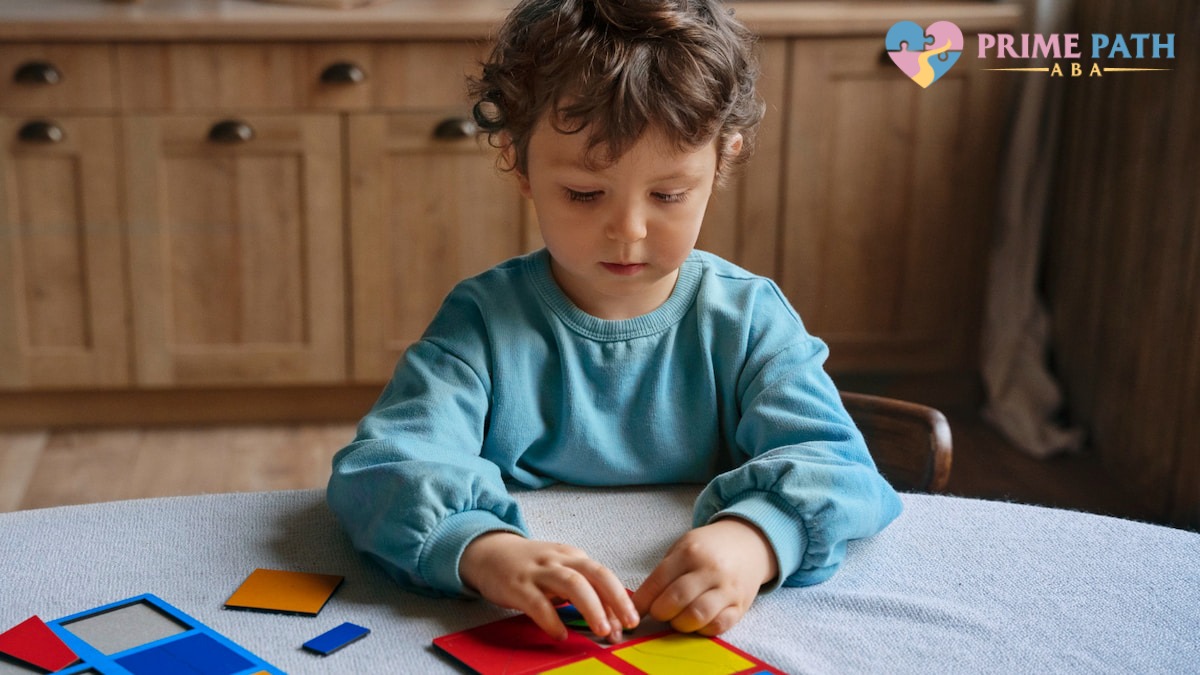
Typical Communication Goals in ABA
ABA therapy targets a variety of communication skills, including:
- Requesting Items (Mands): Asking for desired objects using 3+ words, e.g., “I want juice.”
- Labeling (Tacts): Naming objects, actions, or people in the environment.
- Conversational Skills (Intraverbals): Engaging in back-and-forth exchanges, such as answering questions like “What did you do today?”
- Following Instructions (Receptive Language): Completing multi-step directions, e.g., “Get your shoes and put them by the door.”
- Social Communication: Maintaining eye contact, taking turns during play, and interpreting nonverbal cues.
The Role of Parents and Family
Parents play a vital role in reinforcing communication skills outside therapy sessions. Therapists often guide families to:
- Create Opportunities: Place favorite items slightly out of reach to encourage communication.
- Wait and Respond: Give the child a moment to use their new skill, like signing or saying “help”, before assisting.
- Be Consistent: Use the same strategies, such as PECS or verbal prompts, across home, school, and community settings.
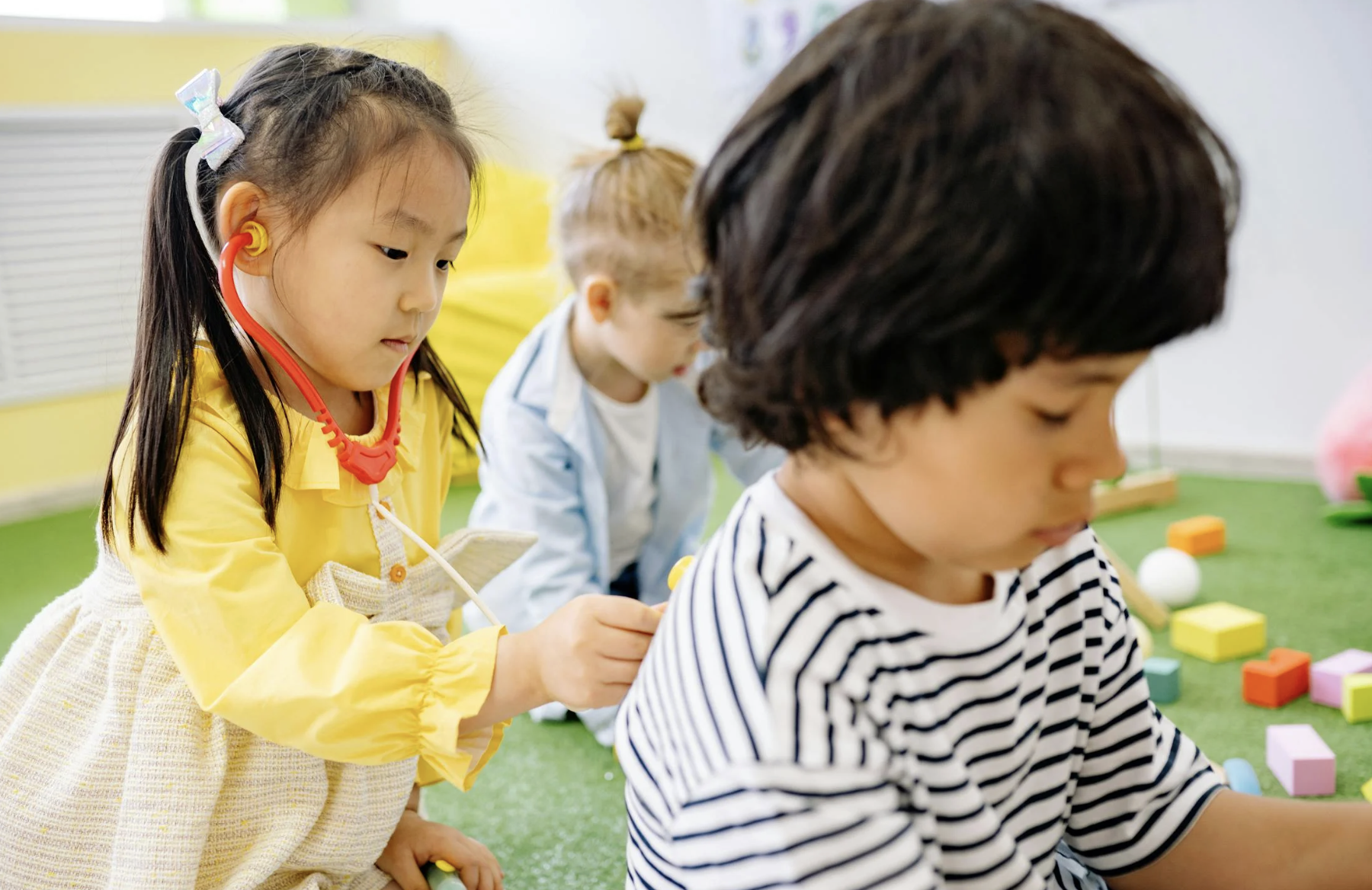
Benefits of Improving Communication Skills Through ABA
- Greater Independence and Everyday Functioning: Children gain the ability to express their needs, make choices, and advocate for themselves, fostering confidence and autonomy.
- Reduction in Challenging Behaviors: Functional Communication Training (FCT) helps replace frustration-driven behaviors with purposeful communication, allowing children to request items or breaks.
- Stronger Social Connections: ABA teaches skills such as conversational turn-taking and reading social cues, which improve interactions with family, friends, and peers.
- Better Academic and Cognitive Outcomes: Improved understanding (receptive language) and ability to ask for help (expressive language) support learning and academic success.
- Enhanced Emotional Regulation: When children can communicate their feelings effectively, emotional outbursts decrease, promoting overall mental well-being.
At Prime Path ABA communication skills are a key area of growth for children with autism, but progress is possible with the right approach. ABA speech therapy, verbal behavior training, and support for nonverbal communication equip children with tools to express themselves, reduce frustration, and engage meaningfully with the world. By focusing on functional communication and expressive language, parents and therapists can help every child find their voice.
Ready to get started? Contact Prime Path ABA today to begin ABA therapy for your child
 FAQs
FAQs
- Why do children with autism struggle with communication?
Children with autism often experience differences in brain development that affect social interaction, language processing, and sensory regulation. This can make it hard to read nonverbal cues, interpret language literally, manage sensory input, or stay focused during conversations. Every child is unique, so individualized support is key.
- How can ABA speech therapy help improve communication skills?
ABA speech therapy uses structured, evidence-based techniques to teach both verbal and nonverbal communication. Through strategies such as Functional Communication Training (FCT), verbal behavior therapy, and positive reinforcement, children learn functional language skills that they can use at home, school, and in the community.
- What is verbal behavior (VB) training?
VB training is an ABA-based method that focuses on why words are used. It teaches children to make requests (mands), label items (tacts), and engage in conversations (intraverbals). This approach builds expressive language and helps children understand the purpose of communication.
- How do nonverbal children communicate?
Nonverbal or minimally verbal children may use gestures, sounds, or Augmentative and Alternative Communication (AAC) tools such as picture cards (PECS), tablets, or sign language. With consistent support, many nonverbal children can develop functional communication and may even begin to speak later.
- What techniques does ABA use to boost communication?
ABA uses a variety of techniques, including:
- Mand training (teaching children to request items)
- Echoic training (modeling and imitating sounds/words)
- PECS (Picture Exchange Communication System)
- Incidental teaching (prompting communication during natural play)
- Modeling and video modeling
- Discrete Trial Training (DTT) and shaping skills
- What are the benefits of improving communication skills through ABA?
Children who improve communication skills through ABA often experience:
- Greater independence and ability to advocate for themselves
- Reduced frustration-driven behaviors
- Stronger social connections
- Better academic performance
- Improved emotional regulation
- How can parents support communication development at home?
Parents can reinforce skills learned in therapy by using everyday opportunities to practice communication. Encourage requests, model language, use visual aids, and celebrate small successes. Creating a consistent, supportive environment helps children generalize communication skills to real-life situations.




 Call Us Now