
Key Points:
- Autism can make social skills and peer interaction challenging.
- ABA therapy teaches social, play, and school readiness skills.
- Early ABA support builds confidence, friendships, and communication.
 Understanding Social Challenges in Autism
Children with autism often face unique social skills challenges due to neurological differences that affect communication, sensory processing, and the ability to read social cues intuitively.
Research shows that difficulties may include interpreting facial expressions and body language, managing sensory overload, understanding sarcasm, and navigating unpredictable social situations. These differences are not due to a lack of desire to connect but reflect a highly logical way of processing social information.
Key social challenges include:
- Deficits in Reading Nonverbal Cues: Children with autism may struggle to interpret facial expressions, body language, tone of voice, or eye contact, which can make social interactions confusing.
- Literal Communication: Many autistic individuals interpret language literally, making it difficult to understand sarcasm, metaphors, or subtle hints.
- Sensory Overload: Sensory sensitivities, such as loud noises or bright lights, can make typical social environments overwhelming.
- Difficulty with Reciprocity: Engaging in back-and-forth conversations, sharing interests, and taking turns can be challenging.
- Executive Function and Anxiety: Unstructured social situations can lead to anxiety, emotional dysregulation, and stress.
These challenges often manifest as reduced interaction, preference for solitary play, difficulty maintaining conversations, or appearing withdrawn.
Signs an Autistic Child May Need Social Skills Support
Children with autism may need targeted support in social skills if they consistently show challenges with communication, interaction, or understanding social cues. These difficulties are not due to a lack of interest in connecting but rather reflect differences with processing social information.
Key Behavioral Signs
- Interaction Challenges: Little interest in playing with others, sharing experiences, or joining group activities.
- Communication Gaps: Difficulty starting or maintaining conversations, frequent interruptions, or talking only about special interests rather than engaging in back-and-forth dialogue.
- Nonverbal Difficulties: Trouble interpreting facial expressions, gestures, tone of voice, or maintaining eye contact.
- Rigidity and Routine Dependence: Distress or anxiety when routines are disrupted.
- Literal Interpretation: Difficulty understanding metaphors, sarcasm, jokes, or implied meanings.
- Emotional Regulation: Struggling to recognize or manage their own emotions and difficulty understanding others’ feelings or perspectives.
Common Developmental Red Flags
- 9 Months: Limited or no facial reactions to smiles.
- 12 Months: Not responding to their name or lacking simple gestures like waving.
- 15 Months: Not sharing interests, such as showing toys to others.
- 3 Years: Limited interactive play, joint attention, or engagement with peers.
Social and Peer Interaction Difficulties
- Appearing aloof or standoffish in social settings.
- Preferring solitary play and avoiding peer interaction.
- Struggling with turn-taking or cooperative games.
- Using social approaches that seem inappropriate or overly direct.
- Misunderstanding social rules, sarcasm, or figurative language.
When to Seek Support
Intervention is recommended when these behaviors lead to frustration, social isolation, or difficulty building friendships. Early support, particularly through structured programs like Prime Path’s ABA therapy, can help children improve social communication, develop peer interaction skills, and increase confidence in group settings.
With the right guidance, children with autism can learn to navigate social situations more effectively, form meaningful friendships, and engage more comfortably with peers.
 How ABA Therapy Enhances Social Skills
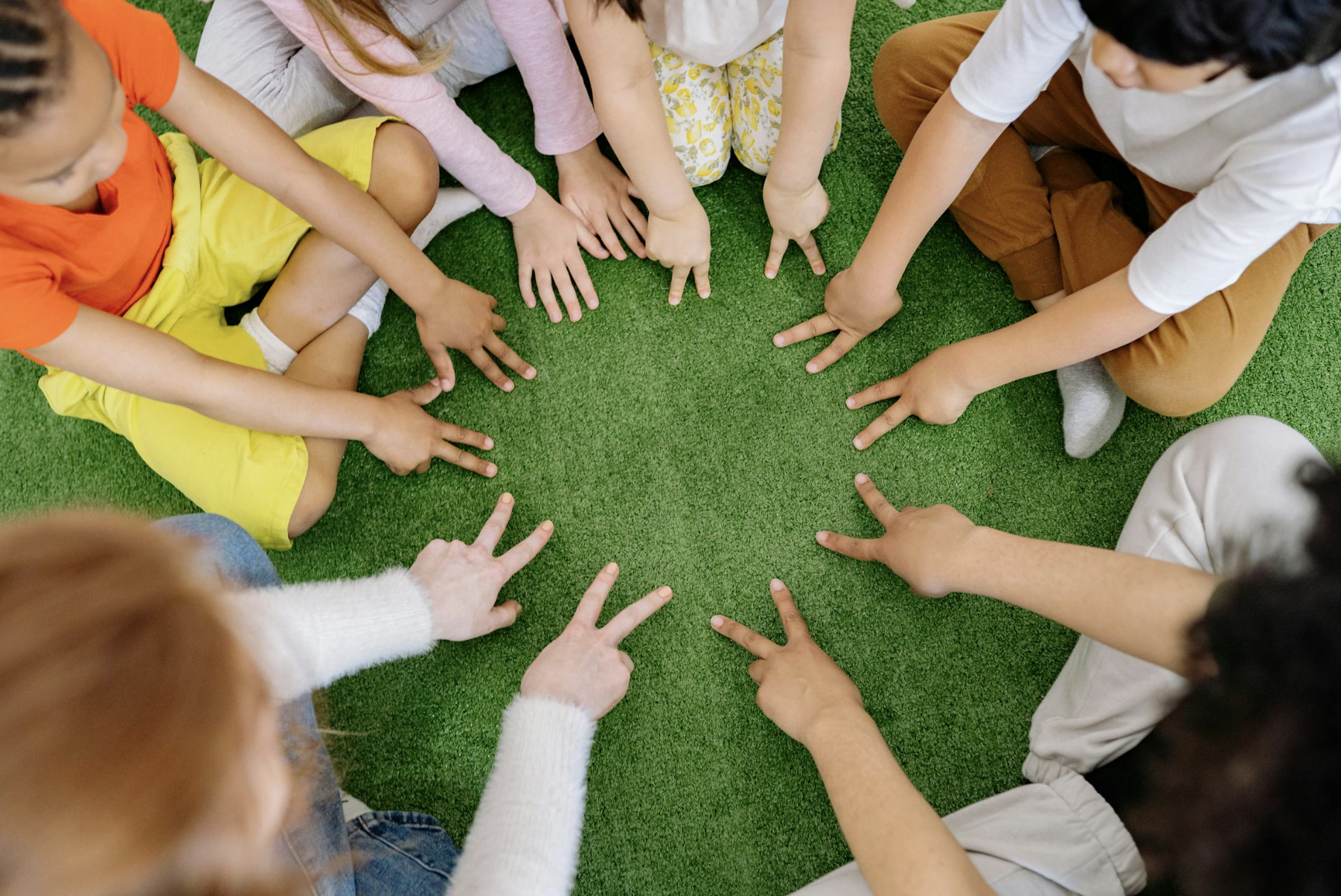
Applied Behavior Analysis (ABA) therapy is an evidence-based approach that supports children in developing essential social skills, peer interaction abilities, and friendship skills. ABA interventions are tailored to each child and focus on building skills in manageable steps.
Key strategies include:
- Breaking Down Skills: Complex social behaviors are taught step by step, such as making eye contact, greeting a peer, and asking a question.
- Positive Reinforcement: Desired social behaviors, like sharing or turn-taking, are immediately reinforced with praise or rewards.
- Modeling and Role-Playing: Therapists demonstrate social scenarios, such as playing a game or resolving conflicts, allowing children to practice in safe environments.
- Social Skills Groups: Structured group sessions focus on cooperative play, conversation practice, and peer interaction.
- Understanding Cues: ABA helps children recognize non-verbal communication, such as facial expressions and body language.
- Parent Training: Caregivers learn to implement social skills strategies at home to ensure consistent practice.
Developing Peer Interaction and Friendship Skills
Peer interaction often requires structured support for children with autism. Strategies include:
- Peer-Mediated Interventions: Neurotypical peers are trained as social models in natural settings.
- Structured Playtime: Activities like board games or collaborative art projects teach turn-taking, negotiation, and cooperation.
- Interest-Based Activities: Shared interests reduce social anxiety and increase engagement.
- Visual Supports: Visual cues help children interpret social rules and contexts.
Through these strategies, children improve social initiation, reduce loneliness, and build confidence in making and maintaining friendships.
Building School Readiness Through Social Communication
School readiness for children with autism goes beyond academics. ABA therapy develops social communication, independence, and behavioral regulation. Essential skills include:
- Expressing needs and emotions appropriately.
- Understanding instructions and following multi-step directions.
- Engaging in peer interaction, taking turns, and respecting personal space.
- Recognizing social cues and practicing functional conversation skills.
ABA therapy often uses social stories, role-playing, visual supports, and structured routines to prepare children for the school environment. Sensory accommodations and independence training, such as managing personal belongings or practicing self-care, further support readiness.
Play Skills Development and Group Participation
Play is a vital avenue for social growth. ABA therapy targets play skills through structured teaching of social rules, imitation, and turn-taking. Strategies include:
- Following the Child’s Lead: Joining the child’s preferred play style before introducing imaginative or functional play.
- Direct Instruction and Modeling: Teaching social rules, turn-taking, and role-play behaviors.
- Special Interests: Incorporating favorite topics to motivate engagement.
- Integrated Play Groups (IPG): Pairing children with autism with peers and adult guides to practice social interactions naturally.
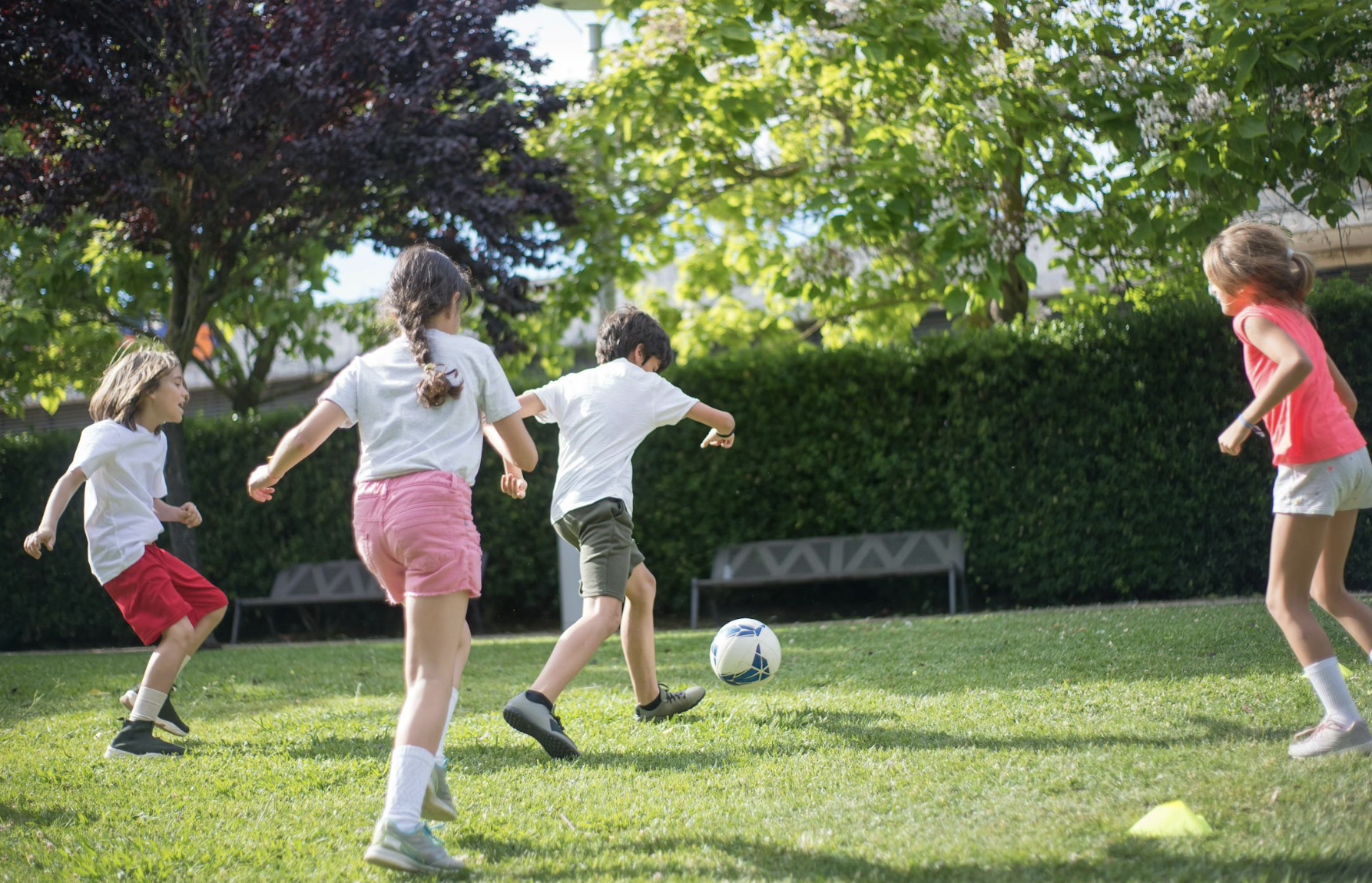
- Structured Games and Physical Play: Board games, pretend play, and physical activities like tag or “follow the leader” encourage collaboration and group participation.
Benefits of group play include improved peer relationships, better comprehension of social cues, enhanced language skills, and reduced anxiety. These experiences reinforce confidence and flexibility in social situations.
Common ABA Social Skills Scenarios and Techniques
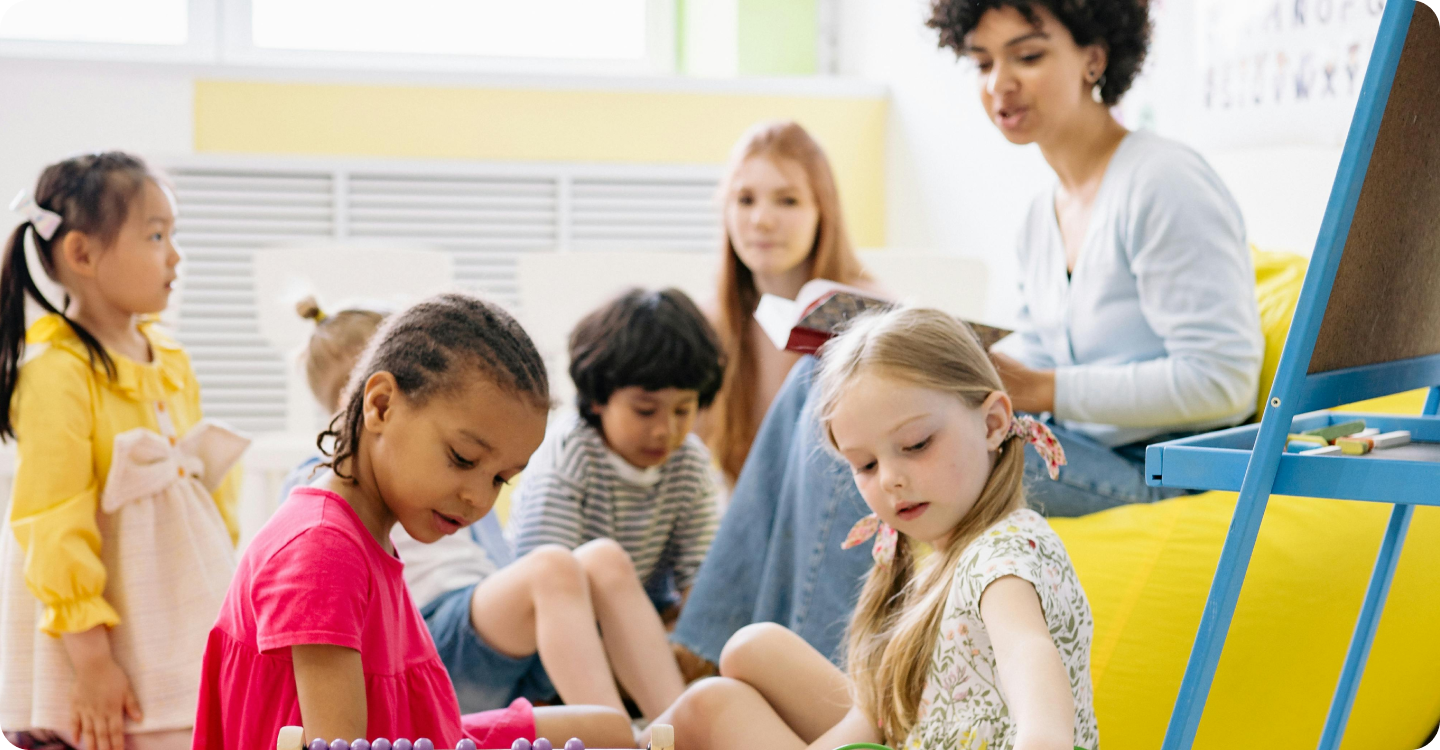
ABA therapy uses structured, practical scenarios to teach children with autism essential social skills. These activities break down complex interactions into manageable steps, allowing children to practice in safe, supportive environments before applying them in real life.
Scenario 1: Joining a Group Activity
Goal: The child successfully joins a group playing with building blocks.
Technique: The therapist models observing the group, asking “Can I play?”, and initiating interaction.
Practice: The child role-plays the steps with the therapist or peers before trying it in a real classroom setting.
Reinforcement: Immediate verbal praise or tokens are provided when the child joins appropriately.
Scenario 2: Conversational Turn-Taking
Goal: Maintaining a conversation without interrupting.
Technique: Video modeling is used to show peers taking turns successfully.
Practice: The child practices with the therapist using visual aids, like a “talking stick,” to manage turns.
Prompting: Visual or verbal cues help the child wait for their turn before speaking.
Scenario 3: Accepting “No” or Handling Conflict
Goal: Responding calmly when denied something or losing a game.
Technique: The therapist models calm responses during games and demonstrates phrases like “Okay, maybe next time.”
Practice: The child rehearses these responses in structured role-play scenarios.
Scenario 4: Introducing Yourself
Goal: Confidently introducing oneself to a new peer.
Technique: Scripting is provided, for example: “Hi, I’m [Name]. Do you want to play?”
Practice: The child acts out the scenario with the therapist or a peer role-playing the new friend.
Scenario 5: Recognizing Nonverbal Cues
Goal: Identifying when a friend is upset or needs support.
Technique: Flashcards, video clips, or live modeling help the child recognize expressions, like frowns or smiles.
Practice: The child practices responding appropriately, e.g., “Are you okay?”
Key ABA Strategies Applied
- Behavioral Skills Training (BST): Combines instruction, modeling, rehearsal, and feedback.
- Social Stories: Short stories illustrate proper behavior in specific situations.
- Natural Environment Training (NET): Skills are practiced in real-world settings, like playgrounds or classrooms.
- Positive Reinforcement: Rewards encourage repetition of positive social behaviors, strengthening learning.
These scenarios and strategies provide a structured way for children with autism to build social communication, peer interaction, and friendship skills, creating confidence in both play and real-life social settings.
Access ABA Therapy for Social Skills in Colorado and Ohio
Our unique approach to in-home ABA therapy offers children with autism a structured and supportive program for social, friendship, and play skills, and school readiness.
Through individualized social skills training, guided peer interaction, and structured group participation, children gain the confidence to communicate effectively, navigate social challenges, and engage positively with peers.
Start empowering your child today. Contact us to learn how ABA therapy can help them develop the social tools they need to thrive.
 FAQs
FAQs
- What is ABA therapy, and how does it help children with autism?
Applied Behavior Analysis (ABA) therapy is an evidence-based approach that breaks down skills into small, manageable steps. It helps children with autism develop social skills, peer interaction, play skills, and school readiness through structured teaching, positive reinforcement, and practice in real-life settings.
- How can ABA therapy improve social skills and peer interaction?
ABA therapy uses individualized social skills training, role-playing, social stories, and structured group sessions to teach children how to initiate conversations, take turns, recognize social cues, and navigate peer interactions. It provides a safe environment for practicing these skills before applying them in daily life.
- What are the signs that my child may need social skills support?
Signs include limited eye contact, difficulty initiating or maintaining conversations, misunderstanding sarcasm or figurative language, trouble reading body language, preference for solitary play, difficulty sharing, and challenges understanding others’ emotions or perspectives.
- How does ABA therapy prepare children for school?
ABA therapy supports school readiness by teaching social communication, emotional regulation, independence, and classroom routines. Children learn to follow instructions, take turns, engage in group activities, recognize social cues, and manage sensory sensitivities—all critical skills for successful classroom participation.
- What are common ABA social skills activities?
Activities include:
- Joining group play and practicing appropriate ways to ask to join.
- Conversational turn-taking using video modeling or visual aids.
- Handling conflict and accepting “no” through role-play.
- Introducing oneself using scripting.
- Recognizing nonverbal cues like facial expressions or body language.
- Can ABA therapy be done at home or in the community?
Yes. ABA therapy can take place in the home, school, or community settings. Natural Environment Training (NET) allows children to practice social skills in real-life situations, such as playgrounds or classrooms, helping them generalize skills across environments.
- How do I get started with ABA therapy for my child in Colorado?
Contact us to schedule an initial assessment. Programs typically begin with individualized social skills training, guided peer interaction, and structured group participation to help your child build confidence, make friends, and engage successfully in social settings.




 Call Us Now