
Key Points:
- Consistent communication drives progress: Regular, open communication with therapists ensures goals stay aligned, progress is measurable, and strategies are consistently reinforced at home and in other settings.
- Parents are essential members of the therapy team: Strong BCBA-parent communication and active participation in parent training help children generalize skills beyond therapy sessions and into daily life.
- Collaboration improves long-term outcomes: Effective therapy team collaboration, transparent data sharing, and positive provider relationships create a supportive environment where children can build meaningful, functional skills and thrive.

Supporting a child with autism through Applied Behavior Analysis (ABA) therapy is a collaborative journey. Parents, therapists, and specialists all play essential roles in ensuring progress is consistent and meaningful. Clear communication and active participation in therapy team collaboration are vital to maximize outcomes.
Why Communication with Therapists Matters
Regular, open communication between parents and therapists helps align goals, track progress, and address challenges before they escalate. Effective BCBA-parent communication involves building trust, sharing observations, and ensuring that strategies used in therapy are reinforced at home.
Benefits include:
- Consistency across settings: Reinforcing the same strategies at home and school reduces challenging behaviors.
- Faster skill generalization: Children apply learned skills in everyday life more effectively.
- Holistic care: Multidisciplinary collaboration ensures that communication, sensory, and behavioral needs are all addressed.
Key Strategies for Effective Parent-Therapist Communication
- Establish Regular Check-ins: Schedule routine updates (weekly, biweekly, or monthly) to review progress, discuss challenges, and adjust interventions.
- Use Communication Tools: Leverage shared notebooks, apps, or data sheets to document daily behaviors and milestones, providing therapists with actionable data.
- Active Listening: Engage fully in conversations with therapists. Ask clarifying questions and listen to their rationale for interventions.
- Clear and Concise Language: Communicate specific behaviors rather than general concerns, using direct and respectful language.
- Be Present and Collaborative: Participate in sessions when possible. Observing techniques such as prompting and positive reinforcement allows for consistent home implementation.
- Discuss Goals Openly: Ask about the individualized treatment plan and how each strategy supports your child’s developmental objectives.
- Address Issues Promptly: If you notice challenges or miscommunications, address them early with empathy and data-backed insights.
 Collaborative Team Strategies in ABA
ABA therapy is most effective when it is multidisciplinary. Collaboration between BCBAs, speech therapists, occupational therapists, educators, and families ensures that treatment is cohesive and personalized.
Tips for productive team collaboration:
- Structured Communication: Use shared digital platforms, email, or regular meetings to keep all providers aligned.
- Goal Alignment: Ensure all team members work toward common objectives to promote skill transfer across environments.
- Family Involvement: Parents are trained to implement interventions, creating a consistent, supportive learning environment.
Handling Difficult Conversations
Therapy progress is rarely linear. Addressing difficulties proactively is essential:
- Use Data to Guide Discussion: Concrete examples make feedback actionable.
- Offer Solutions: Collaborate on strategies rather than simply highlighting problems.
- Maintain Empathy: Recognize the emotional impact of behavioral challenges on both children and parents.
Parent Roles and Essential Questions
Parents play a critical role in ABA therapy by reinforcing skills and providing insights from home. Key questions to ask therapists include:
- What is expected of me during therapy sessions?
- How will parent training be provided to ensure consistency at home?
- What are my child’s primary goals, and how can I support them daily?
- How do you track and communicate progress or changes in the treatment plan?

Building Positive Provider Relationships
Effective collaboration also depends on strong relationships with all professionals involved:
- Trust and Shared Goals: Recognize each member’s expertise and align on objectives.
- Clear, Direct Communication: Avoid jargon and ensure everyone understands expectations.
- Inclusive Meetings: Foster participation by sending agendas, allowing flexible input (chat/email), and providing processing time.
- Value Lived Experience: Incorporate insights from parents and autistic individuals when possible.
Core Topics to Discuss
- Progress and Data: Review how the child is advancing toward goals in communication, self-care, social skills, and independence.
- Behavioral Observations: Share what occurs at home, school, or community settings, including triggers for challenging behaviors and moments of success.
- Goals and Priorities: Align on the most important skills for your child and family, such as toilet training, safety skills, or smooth transitions.
- Generalization of Skills: Discuss ways to apply strategies learned in therapy to daily life, ensuring skills are used beyond the clinic.
- Reinforcers and Motivation: Update the team on what currently motivates your child to help tailor interventions effectively.
- Staff and Schedule Updates: Communicate about upcoming schedule changes or new team members to maintain consistency.
Tips for Maintaining Effective Communication
- Be Involved: Observe or participate in therapy sessions whenever possible to learn techniques firsthand.
- Use Communication Tools: Utilize notebooks, apps, or scheduled meetings with the BCBA to track progress and align strategies.
- Focus on Strengths: Highlight not only challenges but also your child’s unique abilities and personality.
- Engage in Parent Training: Attend regular parent coaching sessions to learn how to reinforce skills and manage behaviors at home.
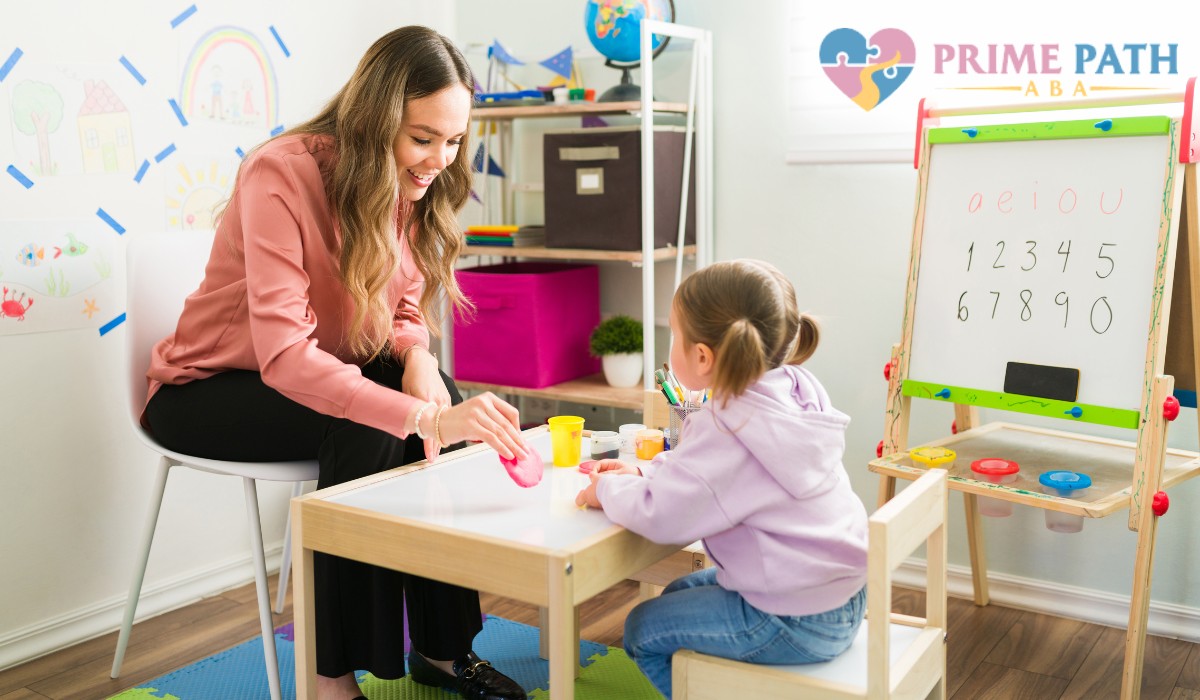
Green Flags in ABA Therapy: Signs of High-Quality, Child-Centered Care
High-quality ABA therapy prioritizes the child’s individuality, well-being, and joy, rather than focusing solely on behavior reduction. Green flags to look for include highly individualized, play-based treatment plans, open communication with parents, and strict adherence to ethical, neurodiversity-affirming practices.
Key Indicators of Quality ABA Care:
- Parental Partnership: Parents are active collaborators. The BCBA treats you as an expert on your child, valuing your insights rather than seeing you as a bystander.
- Individualized Goals: Therapy is tailored to your child’s strengths, interests, and developmental needs—not a “one-size-fits-all” program.
- Assent-Based Practice: Therapists honor a child’s choice to pause or stop activities, respecting boundaries and promoting autonomy.
- Focus on Communication & Function: Interventions prioritize meaningful communication and emotional expression over mere compliance or suppression of harmless behaviors.
- Positive Reinforcement: Skill-building occurs in a supportive, motivating environment using praise, preferred activities, and enjoyable learning opportunities.
- Data-Driven Adjustments: Progress is tracked transparently, and interventions are adjusted based on objective data to ensure meaningful growth.
- Ongoing Collaboration: The therapy team maintains consistent communication with parents and other professionals, fostering coordinated, holistic care.
Red Flags to Watch For
Be alert to signs that communication or collaboration may be ineffective:
- Lack of transparency regarding therapy methods or progress data.
- Minimal or absent parent training.
- Dismissal of parental insights or concerns.
Strong partnerships begin with open conversation. If you’re looking for an ABA team that values clear communication, collaborative goal-setting, and neurodiversity-affirming care, we’re here to help.
Our team prioritizes transparent therapy updates, meaningful parent training, and consistent provider collaboration to ensure your child receives individualized, compassionate support.
Ready to get started? Contact us today to learn how we can work together to support your child’s growth and success.
 Frequently Asked Questions (FAQs)
- How often should parents communicate with their child’s ABA therapist?
Communication should be ongoing and consistent. Many families benefit from brief daily session notes along with weekly or biweekly check-ins with the BCBA. Regular therapy updates for parents help ensure everyone stays aligned on goals, behavior strategies, and progress.
- What is the parent’s role in ABA therapy?
Parents are active partners in ABA therapy. Their role includes reinforcing strategies at home, participating in parent training, sharing observations about behavior outside of sessions, and collaborating during team meetings. Strong BCBA-parent communication improves consistency and overall outcomes.
- What should be discussed during therapy updates?
Therapy updates typically cover progress toward goals in communication, self-care, and social skills, as well as challenging behaviors, triggers, motivation, and skill generalization. Open dialogue strengthens therapy team collaboration and helps adjust interventions when needed.
- How can I improve communication with my child’s therapy team?
Use structured tools such as communication notebooks, apps, or scheduled meetings. Be specific when discussing concerns, ask clarifying questions about goals, and actively listen to recommendations. Respectful, two-way communication builds strong provider relationships.
- What are the signs of effective collaboration between parents and providers?
Green flags include transparent data sharing, individualized and play-based goals, consistent parent training, assent-based practices, and open discussions during team meetings. Effective collaboration should feel supportive, clear, and solution-focused.
- What should I do if I disagree with my child’s therapist?
Address concerns early and calmly. Ask for data, clarification, and possible alternatives. Productive communication with therapists should feel collaborative and respectful, even when perspectives differ.
- Why is skill generalization important in ABA therapy?
Skill generalization ensures that children use learned skills across settings, home, school, and community, not just during therapy sessions. Consistent communication and working closely with providers help make generalization more successful.
- How do team meetings support children in ABA therapy?
Team meetings allow BCBAs, therapists, parents, and other professionals to align on goals, review progress, and adjust strategies. Structured, inclusive meetings strengthen provider relationships and ensure coordinated, child-centered care.




 Call Us Now