
Key Points:
- Parent Training in ABA Empowers Families: Learn practical strategies to manage behaviors, reinforce skills, and strengthen parent-child connections through home-based ABA coaching.
- ABA at Home Strategies Improve Daily Life: Structured routines, visual schedules, and positive reinforcement help children with autism generalize skills in natural, everyday environments.
- Home-Based ABA Benefits the Whole Family: Children gain independence, parents gain confidence, and families experience less stress while supporting long-term growth and success.

Applied Behavior Analysis (ABA) is widely recognized as an effective approach for supporting children with autism spectrum disorder (ASD) and other developmental challenges. While clinic-based ABA therapy is common, home-based ABA offers unique advantages by providing personalized support in a natural environment.
One of the most powerful aspects of this approach is parent training in ABA, which equips families with the tools and confidence to foster skill development, manage behaviors, and create structured routines at home.
What is Home-Based ABA?
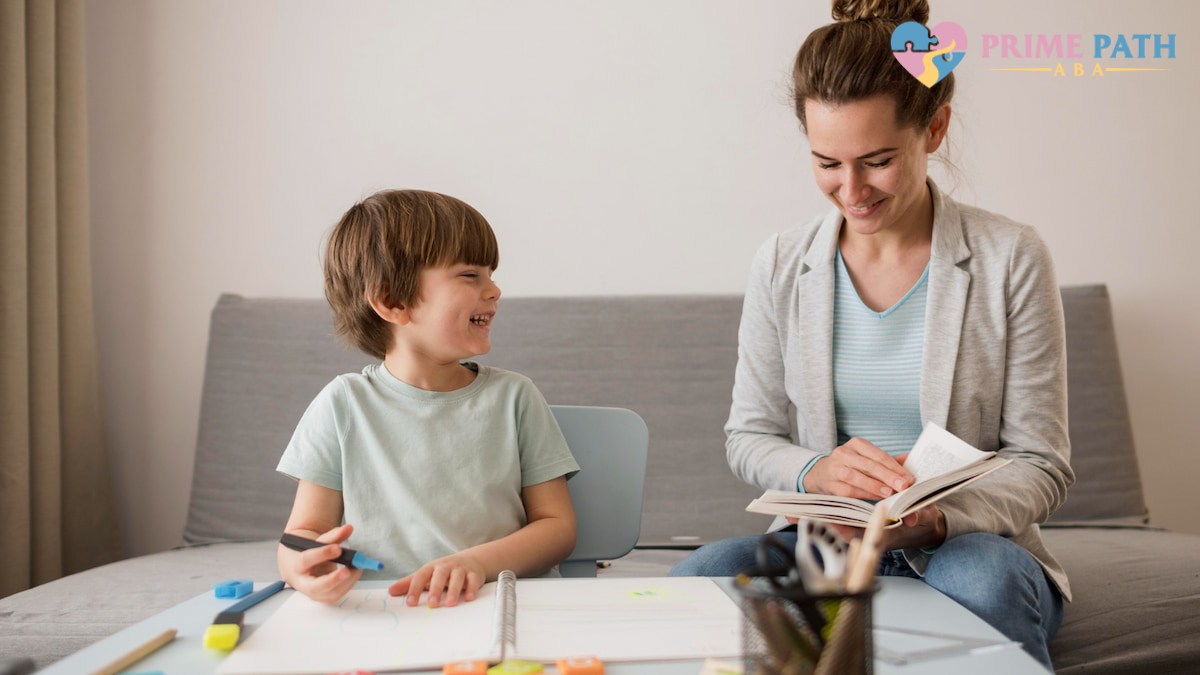
Home-based ABA is a tailored, one-on-one therapy delivered in the child’s own environment. Children learn functional skills, communication, and social interaction while practicing routines they encounter every day. This approach not only reduces anxiety associated with clinic visits but also ensures skills generalize to real-life situations.
Key features of home-based ABA include:
- Learning in a natural environment like the living room, kitchen, or backyard
- Flexible, individualized sessions that adapt to the child’s energy and attention
- Active parent involvement for consistent skill reinforcement
- Support for siblings and family routines, creating a cohesive environment
Who is Home-Based ABA For?
Home-based ABA is ideal for families seeking hands-on, practical support integrated into daily life. Typical candidates include:
- Children with Autism (ASD): Evidence-based interventions help manage challenging behaviors and develop essential life skills.
- Children with Developmental Delays: Supports communication, social, and self-care skills.
- Families Seeking Flexibility: Minimizes travel, fits therapy into busy schedules, and accommodates energy levels.
- Children with Sensory Needs: A familiar home environment reduces overstimulation and anxiety.
- Parents Seeking Active Participation: Opportunities for real-time coaching and skill development.

What ABA at Home Strategies Look Like
ABA at home strategies empower parents to reinforce learning consistently and naturally. Strategies focus on using structured routines, positive reinforcement, and visual supports to promote independence.
Examples of ABA strategies for parents:
- Positive Reinforcement: Rewarding desired behaviors immediately, such as giving praise, a sticker, or a small snack when a child completes a task.
- Visual Schedules: Picture-based charts outline daily routines, helping children anticipate transitions and reduce anxiety.
- Task Analysis: Breaking complex tasks into small steps (e.g., brushing teeth: 1. apply toothpaste, 2. brush top teeth, 3. brush bottom teeth, 4. rinse).
- Prompting and Fading: Guiding a child through a task and gradually reducing assistance as they gain independence.
- Functional Communication Training (FCT): Teaching alternative ways to communicate needs, such as using a “break” card or a sign for “more.”
- Environmental Arrangement: Adjusting home setup to encourage independence, like placing toys in clear bins at child height.
Example Scenario – Morning Routine:
- Visual Schedule: Child follows a picture chart: Wake up → Bathroom → Get dressed → Eat breakfast → Brush teeth.
- Prompting: Parent guides the child’s arms while putting on a shirt.
- Reinforcement: Upon completion, the child receives verbal praise or a sticker on a tracker.
ABA strategies like visual schedules, task analysis, positive reinforcement, and transition aids help these routines run smoothly and consistently.
Benefits of Home-Based ABA
For children:
- Comfort in a familiar environment, reducing anxiety
- Skills learned directly in daily contexts for better generalization
- Increased independence in daily living and social interactions
For parents:
- Hands-on coaching improves confidence in behavior management
- Practical tools to make daily routines less stressful
- Deeper understanding of the child’s unique needs
For families:
- Consistency across caregivers and siblings
- Reduced family stress and improved communication
- Stronger parent-child connections and positive interactions
ABA Parent Coaching
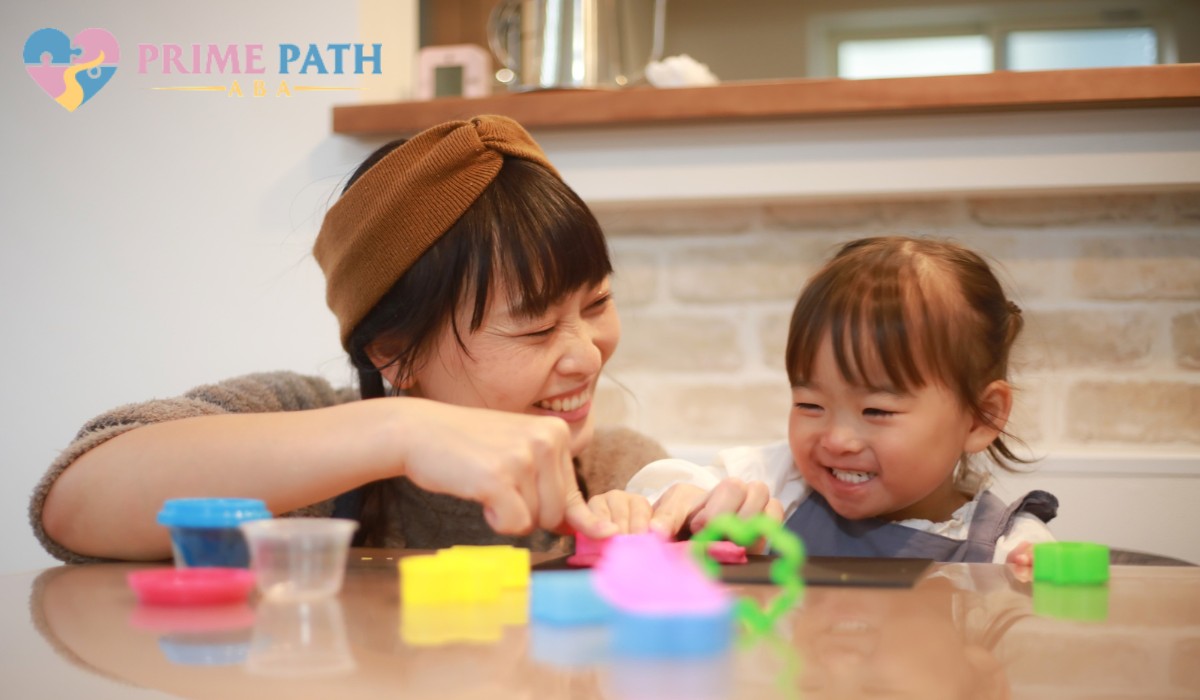
ABA parent coaching is an essential component of home-based ABA. It involves direct guidance from a Board Certified Behavior Analyst (BCBA), teaching parents how to implement evidence-based strategies in daily routines.
Typical parent coaching plan includes:
- Assessment & Goal Setting: BCBAs evaluate routines and set personalized goals.
- Skill Acquisition: Parents learn ABA techniques, like prompting, reinforcement, and data collection.
- Delivery Methods: Coaching occurs in-home or virtually to address real-time challenges.
- Implementation: Parents integrate strategies into meals, playtime, and bedtime.
Key benefits for families:
- Reduced challenging behaviors and calmer home environments
- Increased child independence and skill acquisition
- Enhanced communication and family bonding
- Reduced stress and improved parental confidence
Autism Support for Families: Steps to Move Forward
Families interested in home-based ABA and parent coaching can take these steps:
- Find a Qualified Professional: Seek a BCBA with experience in parent training and home-based ABA.
- Schedule an Initial Consultation: Discuss family goals, challenges, and child needs.
- Participate Actively: Engage in coaching sessions, observation, modeling, and practice.
- Implement Consistently: Apply strategies daily to ensure skills generalize across settings.
- Review and Adjust: Regular check-ins with the BCBA allow fine-tuning and progress tracking.
By following these steps, parents can integrate ABA strategies into their autism routines at home, supporting their child’s development while creating a more structured, positive, and empowered home environment.
Take the Next Step: Parent Training and Home-Based ABA Support
Supporting your child with autism at home doesn’t have to be overwhelming.
Ready to get started? Schedule a consultation with Prime Path today and discover how our ABA therapy in Colorado and ABA therapy in Ohio can provide the support your family needs for long-term success.
 FAQs
FAQs
- What is parent training in ABA?
Parent training ABA is a structured program where a Board Certified Behavior Analyst (BCBA) teaches parents evidence-based strategies to manage behaviors, support skill development, and reinforce learning at home. It empowers caregivers to actively participate in therapy, creating consistency and improving outcomes for children with autism.
- What are ABA at home strategies?
ABA at home strategies involve using Applied Behavior Analysis techniques in daily routines. Examples include positive reinforcement, visual schedules, task analysis, prompting, and functional communication training. These strategies help children generalize skills learned in therapy to real-life settings.
- Who can benefit from home-based ABA?
Home-based ABA is ideal for children with autism (ASD), developmental delays, or sensory sensitivities. It’s also beneficial for families seeking flexible scheduling, wanting parents to be actively involved, or aiming to strengthen autism routines at home.
- What do autism routines at home look like?
Autism routines at home are structured daily schedules designed to increase predictability and reduce stress. Examples include:
- Morning Routine: Wake up → Bathroom → Get dressed → Breakfast → Brush teeth (using visual schedules).
- Mealtime Routine: Fixed seating, visual cues, and a “First eat, Then play” system.
- Bedtime Routine: Bath or calm activity → Dim lights → Reading → Sleep.
- Cleanup Routine: Timer and “First clean up, Then outside” board.
- How does ABA parent coaching support families?
ABA parent coaching provides hands-on guidance from a BCBA. Parents learn how to implement ABA at home strategies, collect data, and reinforce positive behaviors. Coaching strengthens parent-child bonds, increases consistency across caregivers, and reduces daily stress.
- What are the benefits of home-based ABA for children?
Home-based ABA helps children feel comfortable in familiar environments, promotes skill generalization, increases independence, and improves social and communication skills.
- How do families get started with parent training and home-based ABA?
- Find a qualified BCBA specializing in parent training ABA.
- Schedule an initial consultation to assess needs and goals.
- Participate actively in coaching sessions and practice ABA at home strategies.
- Implement routines consistently and review progress with the BCBA.
- How can ABA at home improve autism support for families?
By integrating therapy into daily life, families experience less stress, more effective learning for the child, and a stronger, more supportive home environment. Parents gain tools to manage behaviors, reinforce skills, and maintain consistent autism routines at home. ABA therapy in Colorado and ABA therapy in Ohio from Prime Path provide structured support and guidance for families seeking comprehensive autism support at home.




 Call Us Now