
Key Points:
- In-home ABA therapy provides structured, individualized skill-building in a natural home environment.
- Sessions are designed to target communication, social, and daily living skills while incorporating family routines.
- Parents play a crucial role in reinforcing skills and generalizing learning throughout the day.
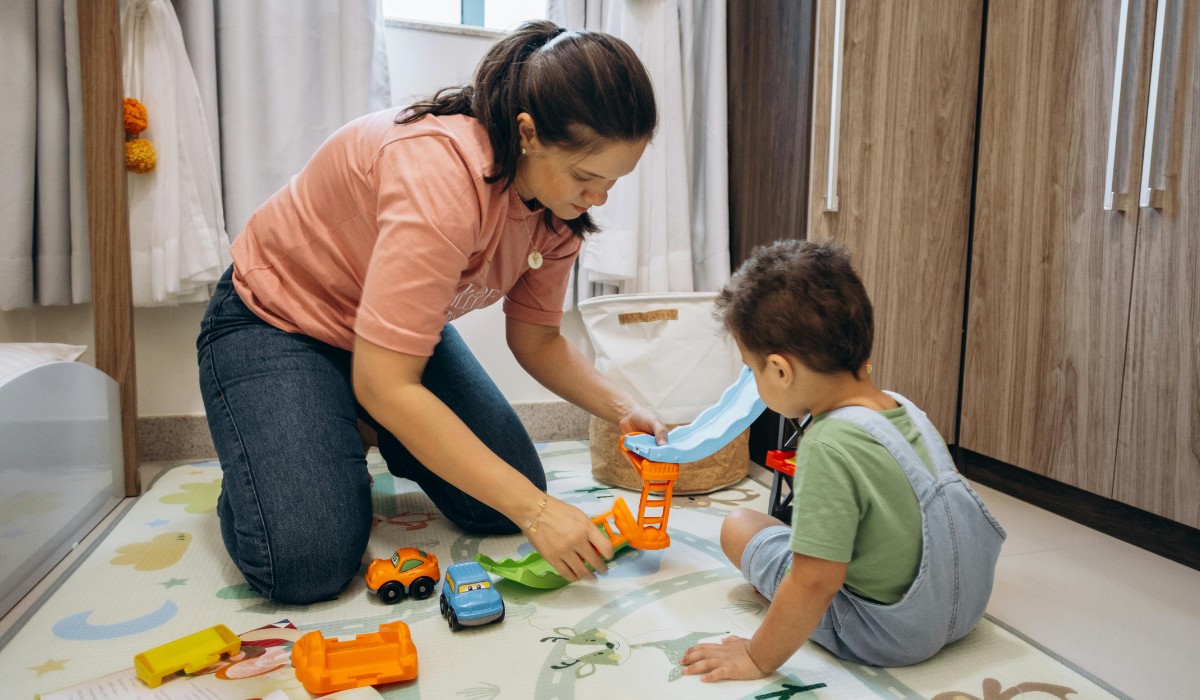
In-home ABA therapy can feel like a big step for families, but understanding what a typical session involves can ease uncertainty. Unlike clinic-based therapy, in-home ABA takes place in the setting your child is most comfortable in—their own home. This allows therapists to address real-life situations, build functional skills, and tailor interventions to your child’s unique interests and routines. Companies provide this service with the goal of making therapy seamless, practical, and meaningful for both children and their families.
How In-Home ABA Therapy Works
ABA, or Applied Behavior Analysis, focuses on understanding why behaviors occur and teaching skills through structured, positive reinforcement. In-home ABA therapy applies these principles directly in your household, using everyday routines as opportunities for learning.
During sessions, therapists observe your child, assess their needs, and develop individualized programs that target areas such as communication, social skills, adaptive behavior, and emotional regulation. This approach ensures that learning isn’t isolated to therapy—it’s integrated into daily life.
Key components include:
- Assessment and Goal-Setting: The therapist will conduct initial assessments to determine strengths and areas of need. Goals are measurable and tailored to your child’s pace.
- Structured Teaching: Activities are broken down into small, achievable steps. For instance, learning to request a snack may start with gesturing before progressing to using words.
- Natural Environment Teaching: Skills are practiced in the context where they naturally occur, like mealtime, playtime, or getting dressed.
By embedding learning into familiar surroundings, children often show quicker generalization of skills—they can use what they learn in multiple settings rather than just in a therapy room.
 Typical Session Structure
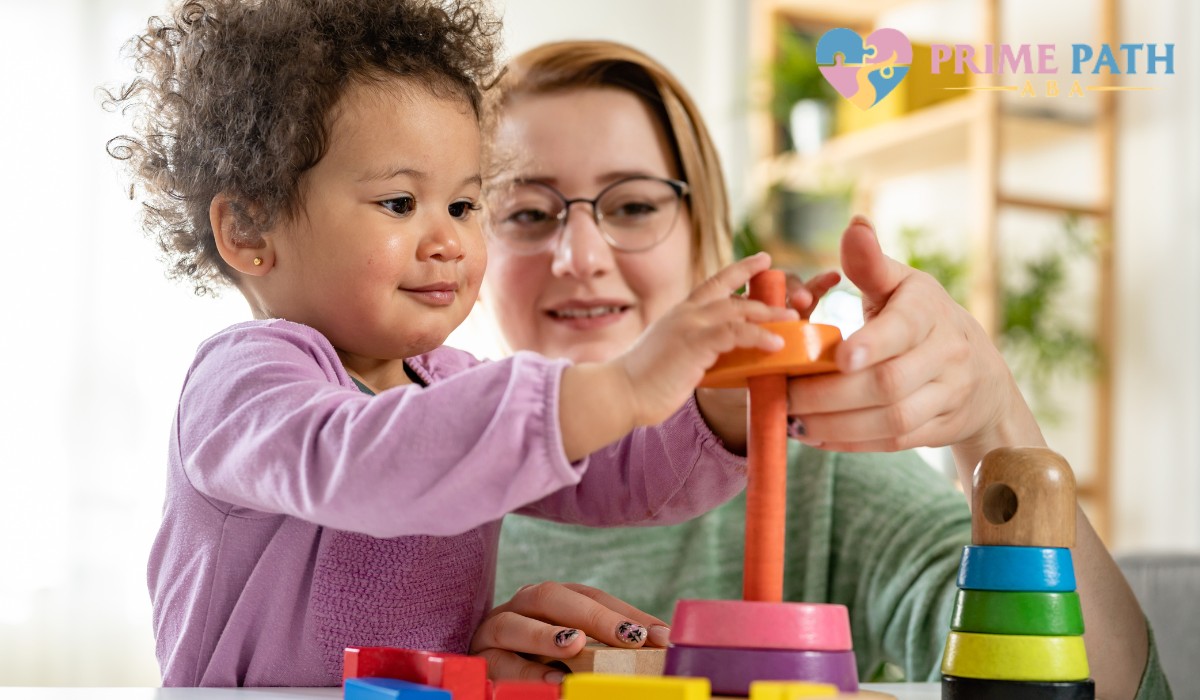
Knowing what a session looks like can help parents feel prepared and engaged. In-home ABA therapy sessions are dynamic and flexible, often lasting between one to three hours, depending on the child’s age and goals.
A typical session may include:
Warm-Up and Engagement
- The therapist starts by connecting with the child through preferred activities, such as a favorite toy or game.
- This helps establish rapport and sets the stage for learning in a positive, motivating way.
Targeted Skill Work
- Core skills like communication, social interaction, and self-care are addressed through structured trials.
- Positive reinforcement, such as praise, tokens, or access to preferred items, encourages repeated practice.
Data Collection
- Therapists track progress meticulously, noting successes, prompts needed, and areas for further support.
- Data allows for adjustments in teaching strategies to ensure optimal progress.
Generalization Practice
- The child practices learned skills in different parts of the home or during different routines.
- For example, using polite greetings not only in the living room but also during playdates or family meals.
Parent Coaching and Collaboration
- Parents receive guidance on how to reinforce skills outside of sessions.
- Techniques may include prompting, modeling, or rewarding behaviors in natural moments.
By structuring sessions this way, in-home ABA therapy maximizes learning while maintaining flexibility for the child’s needs and energy levels.
The Role of Parents in In-Home ABA Therapy
Parents aren’t just observers—they’re active partners in the learning process. Your involvement can greatly enhance progress and help maintain consistency across settings.
Ways parents can support therapy at home include:
- Participating in Sessions: Observe and assist when appropriate to understand teaching methods.
- Reinforcing Skills: Use prompts, modeling, or reinforcement strategies learned from the therapist throughout the day.
- Setting Routines: Embed skill practice in everyday activities like brushing teeth, dressing, or mealtime.
- Providing Feedback: Share observations about your child’s behavior, moods, or preferences with the therapist.
When parents actively collaborate with therapists, children experience a more cohesive learning environment, making skills easier to retain and generalize.
 Skills Targeted in In-Home ABA Therapy
ABA therapy is highly individualized, but most programs address a range of foundational skills essential for daily life. Here are common skill areas worked on in-home:
Communication Skills
- Learning to request items, label emotions, or engage in back-and-forth conversation.
- Nonverbal communication, gestures, and augmentative communication devices may be included.
Social Skills
- Turn-taking, joint attention, and understanding social cues.
- Practicing interactions with family members, siblings, or peers in real-life contexts.
Daily Living Skills
- Self-care tasks such as dressing, grooming, and feeding.
- Safety skills like handwashing, crossing the street, or responding to emergencies.
Play and Leisure Skills
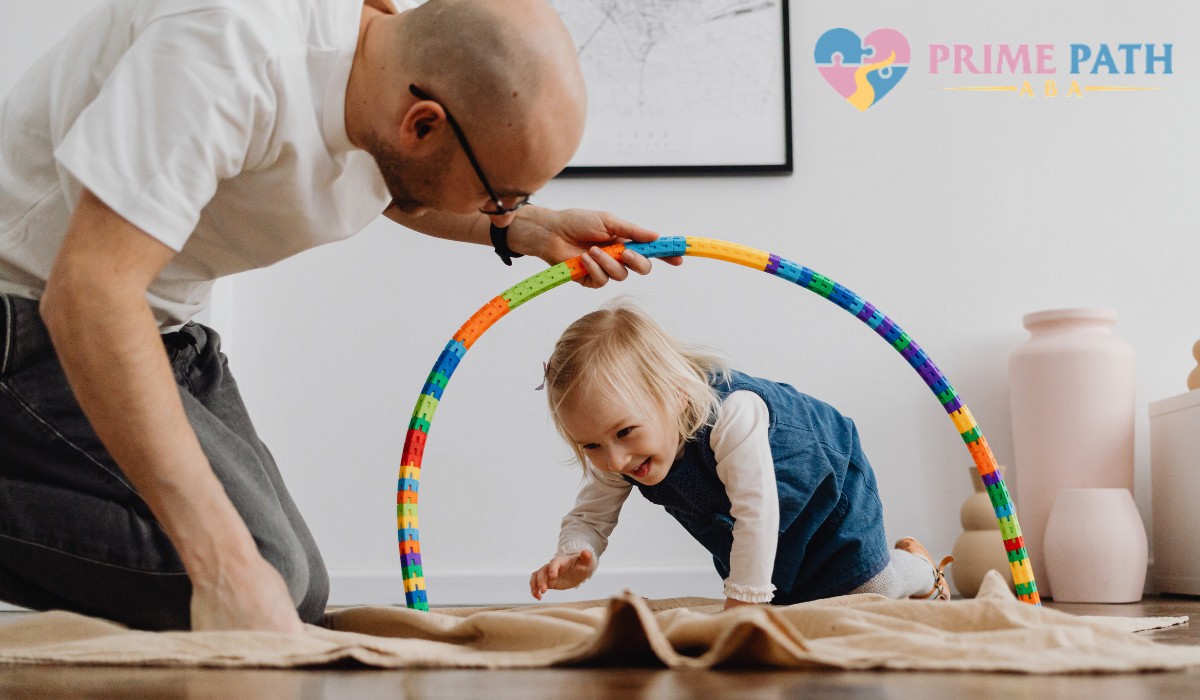
- Engaging in independent play, sharing toys, and expanding play repertoire.
- Encouraging creativity, imagination, and cooperative play with others.
Behavior Management
- Understanding triggers for challenging behavior and teaching alternative coping strategies.
- Reinforcing positive behavior while reducing behaviors that interfere with learning.
By addressing multiple areas at once, in-home ABA therapy provides a holistic approach to development and daily functioning.
 Benefits of Receiving Therapy at Home
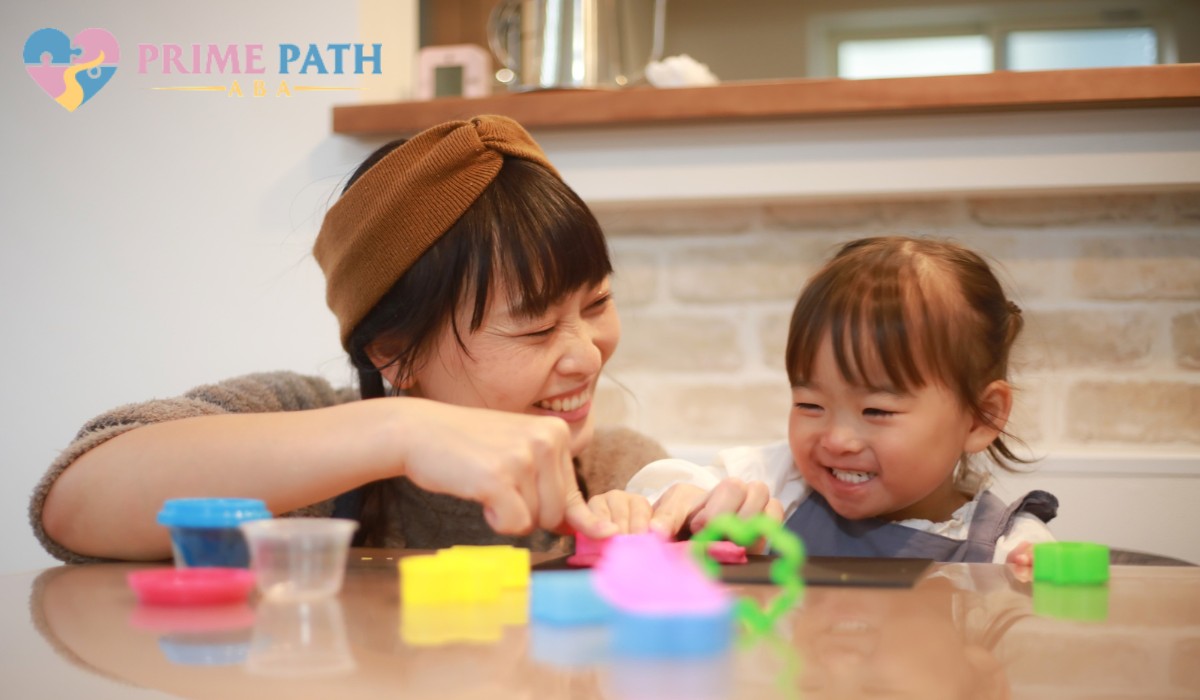
One of the biggest advantages of in-home ABA therapy is convenience and comfort. Children often respond better in familiar surroundings, leading to more productive sessions. Additional benefits include:
- Individualized Attention: One-on-one focus allows for personalized teaching strategies and immediate feedback.
- Integration with Daily Life: Skills are practiced where they naturally occur, making them more functional and meaningful.
- Parental Involvement: Families learn practical strategies to support progress throughout the day.
- Reduced Stress: Children don’t have to adjust to a new environment, making transitions smoother.
Frequently Asked Questions About In-Home ABA Therapy
To help families better understand what in-home ABA therapy looks like in practice, we’ve compiled answers to some of the most common questions parents ask. From session scheduling to measuring progress, these insights provide a clear picture of what to expect and how therapy can support your child’s growth.
How often are sessions scheduled?
Frequency varies depending on age, goals, and insurance coverage. Some children may start with multiple hours per week, gradually adjusting as skills improve.
What does a therapist bring to a session?
Therapists typically bring learning materials like visual supports, toys, and data sheets, but sessions often leverage items already available at home.
Can siblings participate?
Siblings can be included in activities that promote social skills, but sessions are primarily focused on the child receiving therapy.
How do I know if it’s working?
Progress is measured through continuous data collection. Regular updates from your therapist and observable changes in skills or behavior indicate effectiveness.
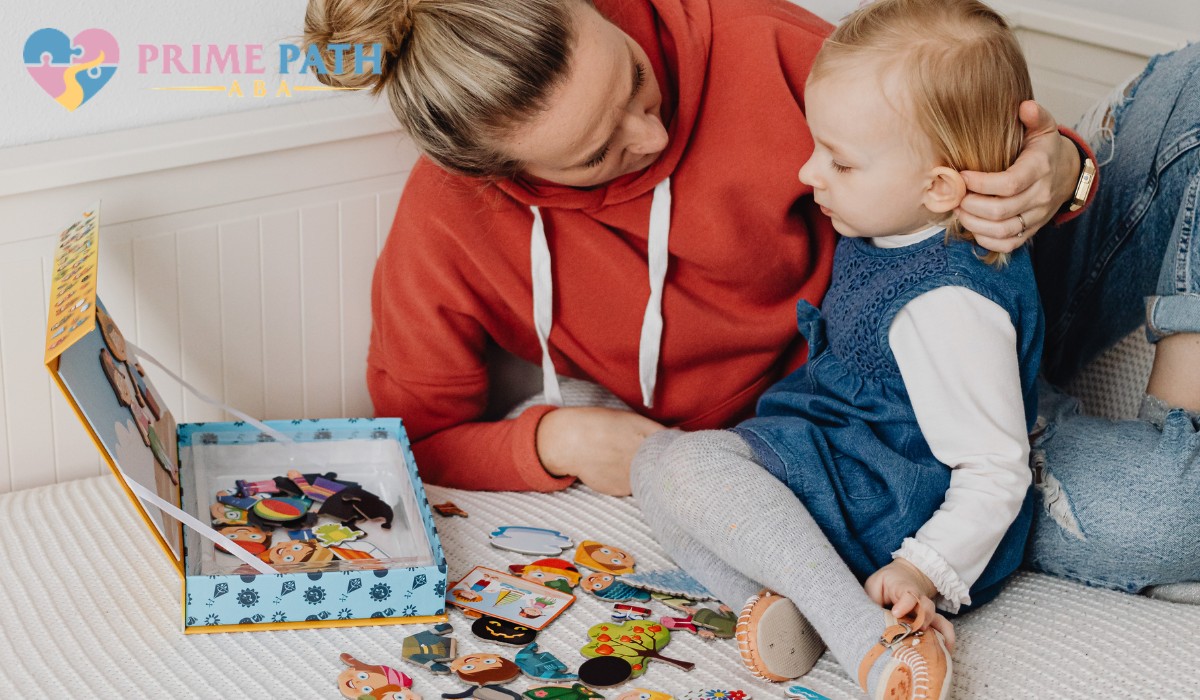 How to Prepare Your Home for Therapy
Preparing your home can make sessions smoother and more productive. Here’s a practical checklist:
Designate a Learning Area
Choose a quiet, low-distraction space where activities can occur consistently.
Organize Materials
Gather preferred toys, visual aids, and everyday items used for skill practice.
Establish a Routine
Set a regular schedule for sessions, including consistent start and end times.
Minimize Interruptions
Communicate with family members about session times to reduce distractions.
Be Ready to Participate
Be prepared to assist or observe when the therapist involves you in teaching.
A well-prepared environment supports learning and allows therapy to flow naturally without unnecessary disruptions.
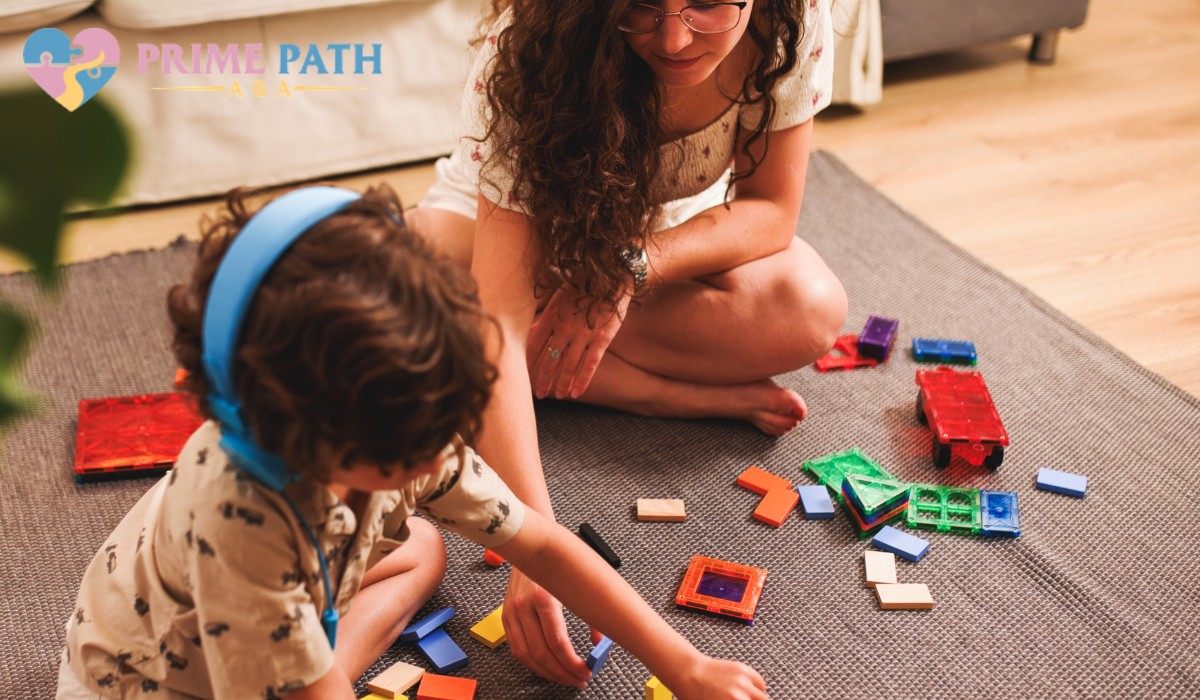 Supporting Your Child’s Growth at Home
In-home ABA therapy is a highly effective way to help children with autism develop essential skills in a comfortable, real-world environment. From structured learning and data-driven progress tracking to parent coaching and skill generalization, sessions are designed to be practical, individualized, and meaningful.
Families who embrace collaboration with therapists and actively support learning outside of sessions often see the most consistent progress. Children gain communication, social, and daily living skills that translate into real-life independence and confidence.
For parents seeking high-quality, compassionate ABA therapy, Prime Path ABA provides tailored programs that focus on your child’s unique strengths and goals. Our team works closely with families to ensure skills learned during therapy carry over seamlessly into everyday life. Whether you are looking for ABA therapy in Colorado and Ohio, we are here to help your child thrive in their natural environment.
Contact us today to learn more about how in-home ABA therapy can support your family’s needs.




 Call Us Now