
Key Points:
- Communication challenges are common in children with autism, but effective tools and strategies can help bridge the gap.
- Visual aids, AAC devices, and social stories are powerful tools for enhancing communication.
- Consistent practice, patience, and tailored approaches are key to success.
Communication challenges are common for kids with autism, but the right tools can open doors. Autism tools for communication, like PECS and AAC devices, provide alternative ways to express thoughts and feelings. Learn how these tools can reduce frustration and help your child thrive in everyday interactions.
Why are Communication Tools Important for Kids with Autism?
Children with autism often face challenges in verbal and nonverbal communication. They may struggle with speech, understanding social cues, or expressing their emotions. This can lead to frustration, behavioral issues, and difficulty forming relationships.
Communication tools provide a way to bridge these gaps. They help children express themselves, understand others, and navigate social interactions. Over time, these tools can build confidence and independence, making everyday life easier for both the child and their family.
 Top Autism Tools for Communication
Here are some of the most effective tools and strategies to support communication in children with autism:
1. Visual Supports
Visual aids are one of the most widely used autism tools for communication. They help children understand and process information more easily. Examples include:
- Picture Exchange Communication System (PECS): A system where children use pictures to communicate their needs.
- Visual schedules: Charts or boards that outline daily routines or tasks.
- Choice boards: Visual tools that allow children to make choices by pointing to pictures.
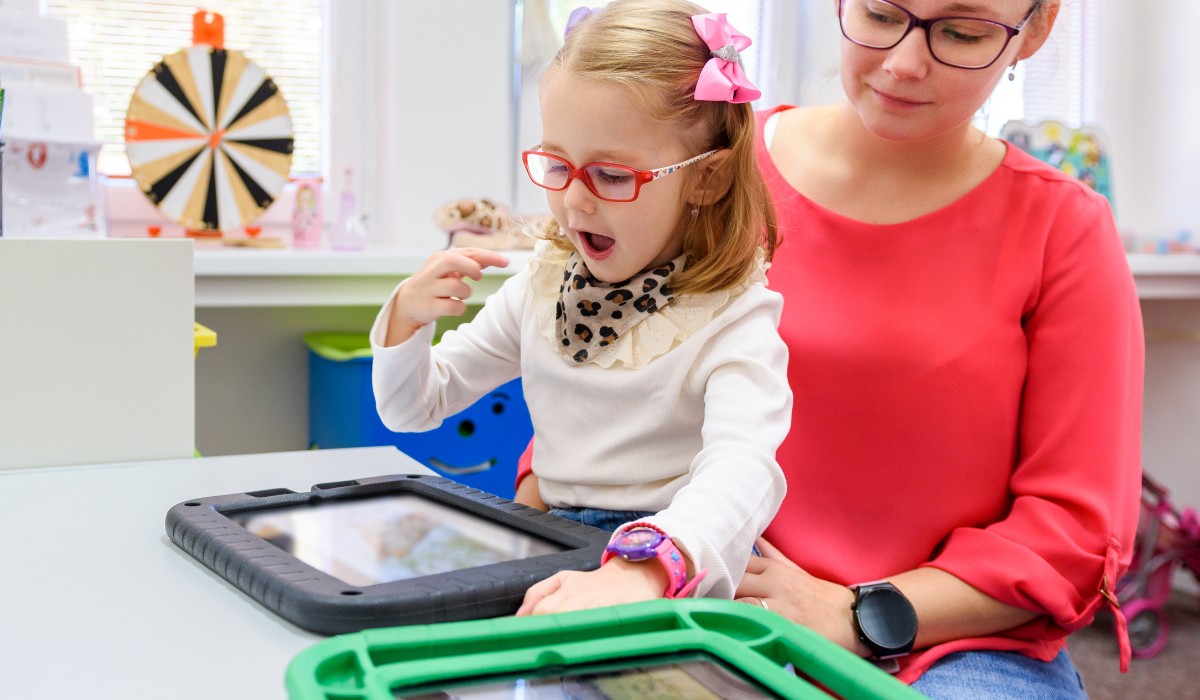
2. Augmentative and Alternative Communication (AAC) Devices
AAC devices are tools that support or replace speech. They can be low-tech or high-tech, depending on the child’s needs. Examples include:
- Speech-generating devices: Tablets or apps that produce speech when a child selects icons or types words.
- Communication boards: Boards with symbols or words that children can point to.
- Sign language: A manual form of communication that can be taught to nonverbal children.
3. Social Stories
Social stories are short, descriptive narratives that explain social situations and appropriate responses. They help children understand what to expect and how to behave in different scenarios. For example, a social story might explain how to take turns during a game or how to greet a friend.
4. Speech Therapy Tools
Speech therapy can be a game-changer for children with autism. Therapists often use tools like:
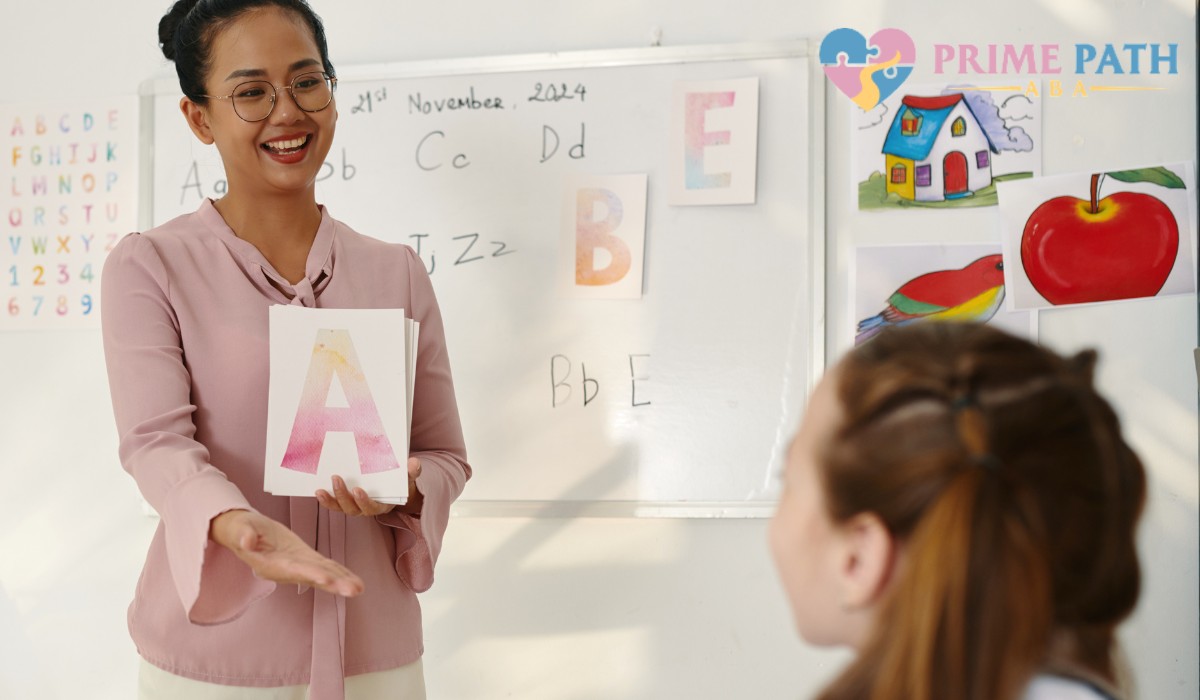
- Articulation cards: Cards with pictures and words to practice speech sounds.
- Mirror exercises: Using a mirror to help children see how their mouth moves when forming words.
- Interactive apps: Apps designed to build vocabulary and sentence structure.
5. Sensory Communication Tools
Some children with autism communicate better when their sensory needs are met. Tools like:
- Weighted blankets: Provide calming pressure to help children focus.
- Fidget toys: Help reduce anxiety and improve attention during communication activities.
- Calming music: Creates a soothing environment for practicing communication skills.
Strategies to Enhance Communication
While tools are essential, the strategies you use to implement them are equally important. Here are some proven approaches:
1. Be Patient and Consistent
Learning to communicate takes time, especially for children with autism. Be patient and consistent in using tools and strategies. Repetition helps reinforce skills and build confidence.
2. Follow Your Child’s Lead
Pay attention to your child’s interests and motivations. If they love cars, use car-themed visuals or stories. This makes communication more engaging and meaningful for them.
3. Use Positive Reinforcement
Celebrate your child’s efforts, no matter how small. Positive reinforcement, like praise or a small reward, encourages them to keep trying.
4. Practice in Real-Life Situations
Use communication tools and strategies in everyday activities. For example, practice using PECS during mealtime or use a social story before a playdate.
 How ABA Therapy Supports Communication
ABA (Applied Behavior Analysis) therapy is a proven approach to help children with autism develop communication skills. It uses evidence-based techniques tailored to each child’s unique needs. Here’s how ABA therapy can make a difference:
- Builds Functional Communication: ABA therapists teach children to express their needs, wants, and emotions using words, gestures, or AAC devices.
- Reduces Challenging Behaviors: By addressing the root causes of behaviors, such as frustration from communication barriers, ABA helps children find better ways to communicate.
- Improves Social Skills: ABA therapy focuses on teaching turn-taking, eye contact, and other social interactions to enhance relationships.
- Encourages Generalization: Skills learned in therapy are practiced in real-life settings, ensuring they’re used consistently.
Discover How Prime Path ABA Can Help
At Prime Path ABA, we specialize in helping children with autism strengthen communication, independence, and everyday learning. Our ABA therapy services in Ohio and Colorado are designed to empower your child while supporting your family with compassionate, evidence-based care.
If you’re seeking personalized strategies and practical tools to enhance your child’s communication skills, contact us today—together, we can help unlock their potential and build a brighter future.




 Call Us Now