


Behavior Management
Redefined

Behavior is a form of communication, and we take the time to understand what your child is trying to express. Instead of simply addressing challenging
behaviors, we look deeper to identify triggers and motivations. By teaching positive replacement behaviors, we guide your child toward choices that
reduce frustration and increase harmony at home and beyond.
At Happy Strides ABA, every session is designed to inspire progress, confidence, and independence.
Start Seeing Progress Today with Happy Strides ABA!
The earlier we start, the greater the impact. Our mission is to help children develop skills that will last a lifetime, making sure they grow into independent,
confident individuals who can successfully navigate school, friendships, and everyday activities.
We measure progress not only by behavioral changes but also by the quality of life improvements we see. From building communication skills to mastering
independence, we turn every achievement into a crowning moment.
Your child’s royal road to progress starts here. Begin the journey today
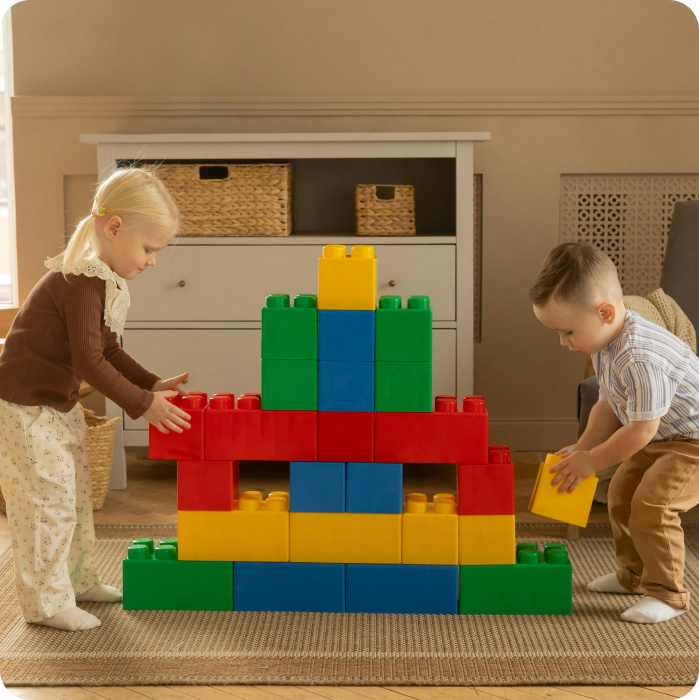
Therapy Through Play
We take the job of building your child’s future seriously, but we also know how important it is to have fun along the way. After all, the best way to unlock
new skills is by making it feel like play.
Every session is packed with activities that captivate your child’s interest and keep them motivated, whether it’s games, interactive tasks,
or hands-on exercises.

Real Progress, Real Results
At Happy Strides ABA, we believe that progress shouldn’t just be a “maybe someday.” We know that success doesn’t happen overnight, but we also know it
doesn’t take forever either. Thanks to our tailored therapy and structured approach, many families see significant improvements within just a few
months of starting ABA therapy.
Happy Strides Your Child’s Success with ABA Therapy
Your child has the potential to lead their own success story. At Crown ABA, we provide the tools, guidance, and support to help them achieve their
goals. It’s time to give your child the royal treatment they deserve—let’s start today.
Related Articles

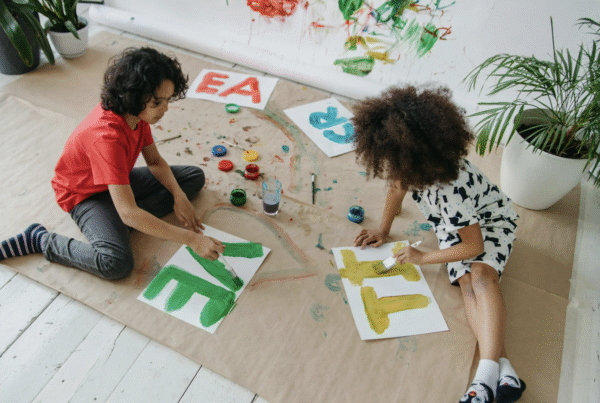
Planning Skills: Strengthening Executive Function in Children with Autism
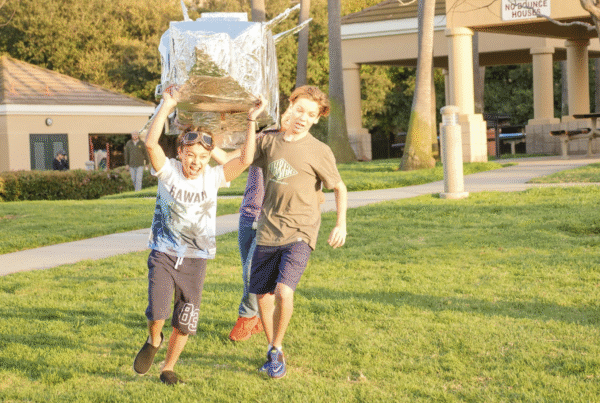
Social Skills Training: Supporting Social Skills and Peer Interaction in Children with Autism





 Call Us Now