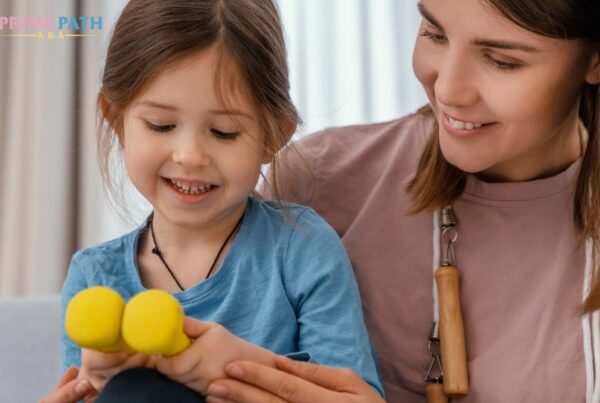

sensory processing autism, sensory diet, sensory breaks, environmental modifications, sensory tools, self-regulation techniques, sensory-friendly spacesABA TherapyAutism
March 31, 2026

Self-Regulation Techniques: Understanding Sensory Processing in Autism

Key Points: Children with autism often struggle with sensory processing. Sensory diets and self-regulation strategies help manage input and reduce anxiety. ABA therapy teaches coping skills for daily life and…
executive function autism, planning skills, organization strategies, working memory, task initiation, cognitive flexibility, self-monitoringABA TherapyAutism
March 25, 2026

Planning Skills: Strengthening Executive Function in Children with Autism

Key Points: Start Early: Early EF support builds independence in children with autism. ABA Helps: Therapy strengthens planning, memory, and self-monitoring skills. Practical Tools Work: Visual schedules, routines, and checklists…
social skills training, peer interaction autism, friendship skills, school readiness autism, social communication, play skills development, group participationABA TherapyAutism
March 18, 2026

Social Skills Training: Supporting Social Skills and Peer Interaction in Children with Autism

Key Points: Autism can make social skills and peer interaction challenging. ABA therapy teaches social, play, and school readiness skills. Early ABA support builds confidence, friendships, and communication. Understanding Social…
behavior management autism, reducing meltdowns, positive behavior support, autism behavior plan, daily living skills, routine structure, behavioral interventionsAutismABA Therapy
March 10, 2026

Autism Behavior Plan: Reducing Meltdowns with Positive Behavior Support and Structured Interventions

Key Points: Behaviors Have Meaning: Meltdowns are involuntary responses, not misbehavior. Proactive Support Works: Structure and positive strategies prevent meltdowns. Build Independence: Communication and daily living skills reduce stress and…